Day One - Flock To Fedora 2026
Day One of Flock To Fedora 2026 revolved around leading workshops on Fedora Badges and Fedora Forge, running the Fedora Mentor Summit event, visiting AI and metrics sessions while working with the members, enjoying a team dinner and the International Candy Swap Event, before ending an eventful day.

Unlike the Flock To Fedora 2025 event proceedings, the workshops were planned to be frontloaded into the conference this time. As there were no presentations or townhalls on the first day, it also meant that there was no live streaming on our YouTube channel either. Heading to bed a little early the day before was the right thing to do, as that allowed me to wake up at around 0500am Central European Summer Time on 14th June 2026. Of course, the jet lag prevented me from getting proper respite, but still it was better than nothing at all. After one last look at the slide decks for the (newly created) Fedora Forge Progress Update and the (FOSSAsia-intentioned) Fedora Badges Revamp Project, I uploaded them on the Pretalx platform for them to be available to both in-person and remote attendees.
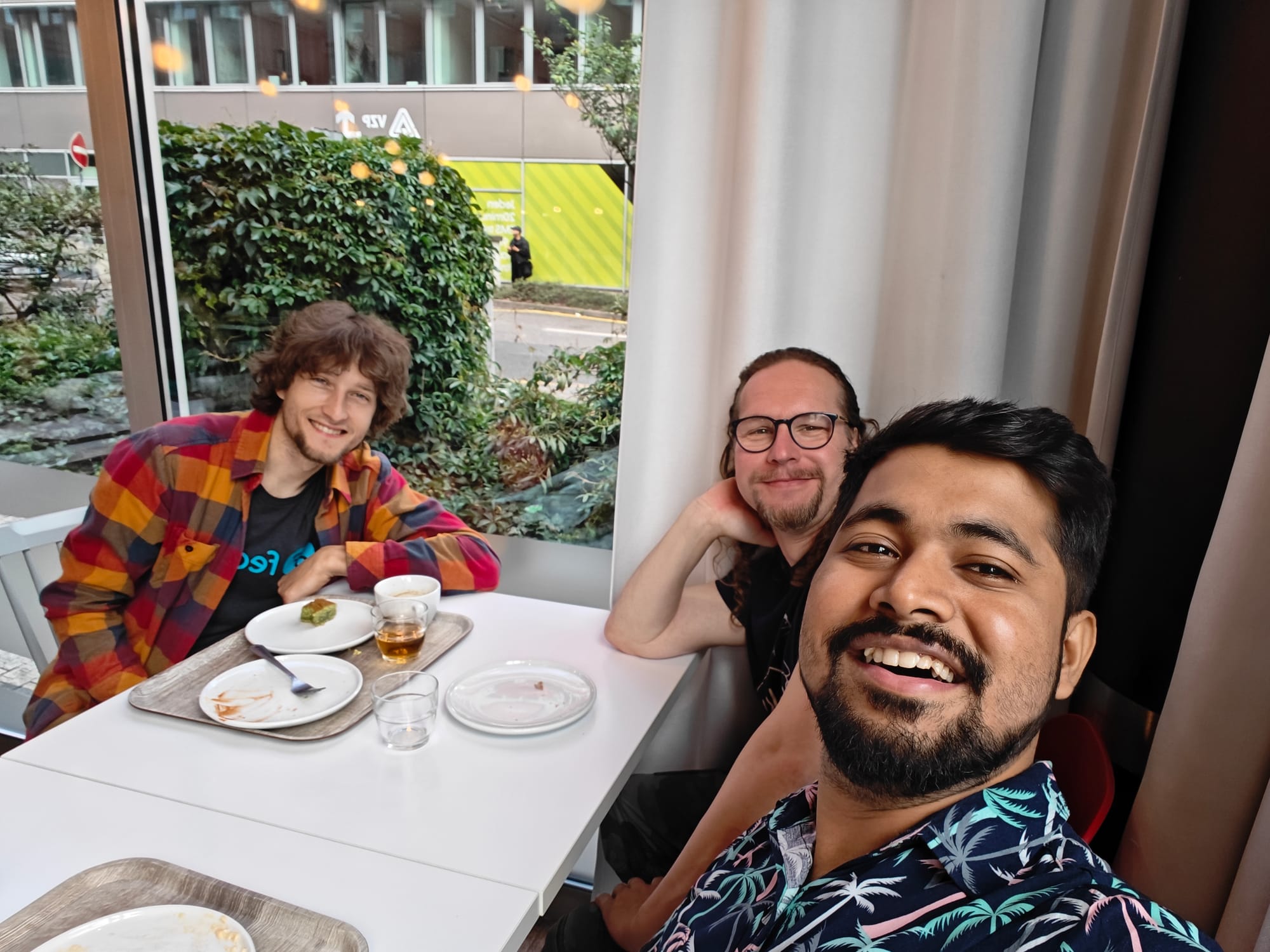
While I had Tomáš Hrčka's help for the former, I had to drive the latter by myself since Chris Onoja Idoko could not make it to the conference this time. I also found it an amusing observation that while the Fedora Badges Revamp Project was scheduled as the last presentation for FOSSAsia 2026, the workshop on the same topic was planned as the first workshop for Flock To Fedora 2026. As it was scheduled for 0900am Central European Summer Time, I had to ensure that I had the venue's audio/video setup configured properly for my purposes. On meeting the likes of Frantisek Lachman and Michal Konecny at the breakfast table at around 0700am Central European Summer Time, we shared conversations about contemporary governance and technological innovations around the world.
Manifest #02
Michal and I left for the venue at around 0800am Central European Summer Time after a quick trip back to our rooms to fetch our conference backpacks, because we anticipated the early crowd to be denser at the registration desk with the attendees rolling in swiftly. Amidst meeting up with a bunch of familiar faces during our short walk to the event venue, I could not shake the familiar feeling of attending the Flock event at the same place and at nearly the same time as the previous year. Unlike the last time, I did not assume that I would automatically get registered when my proposals got selected, and that led the registration check to go smoothly. Meeting up with Dorka Volavkova at events had always been a pleasure, especially even more so when she promptly helped out with the venue's audio/video setup.
Manifest #03
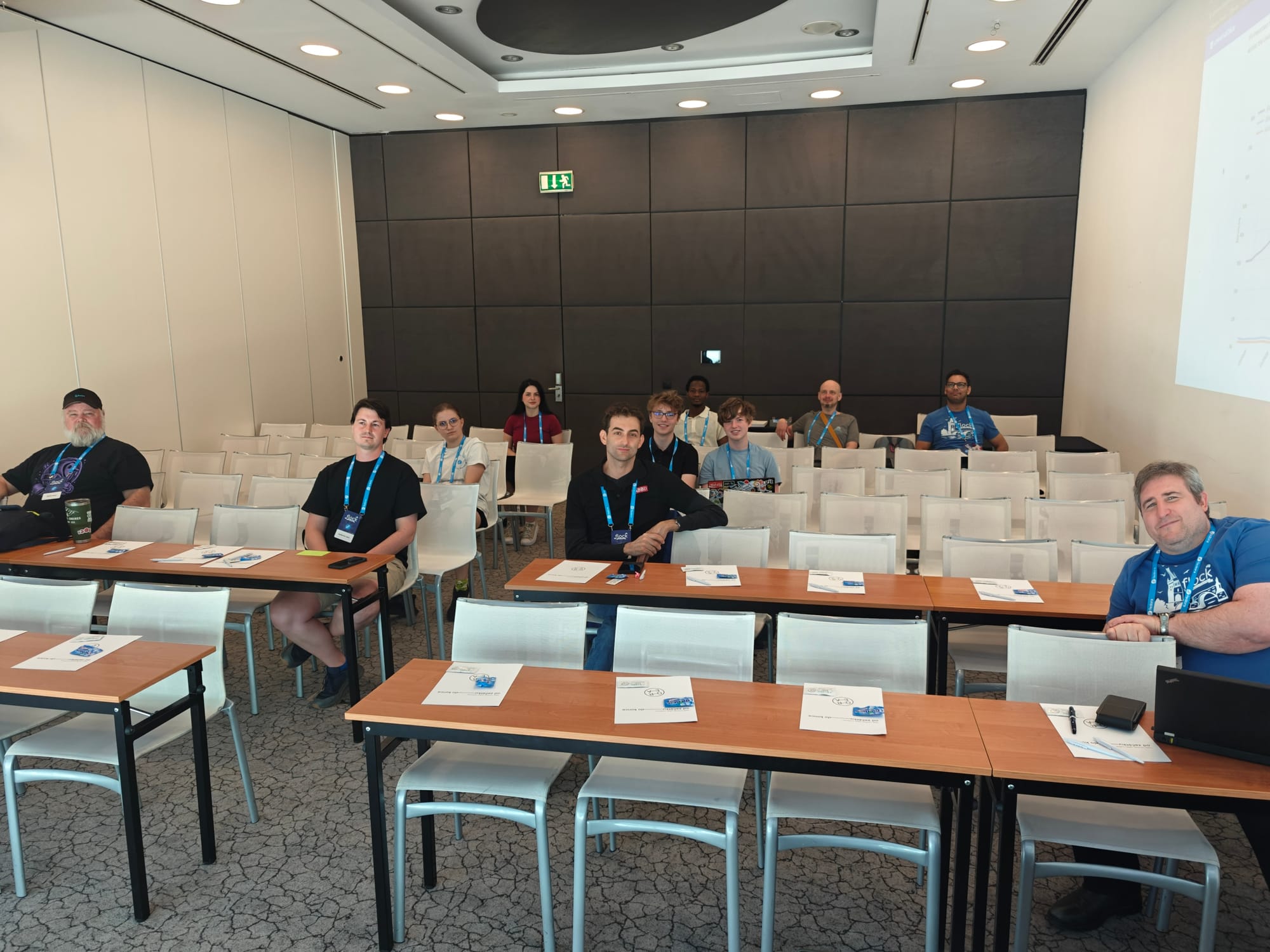
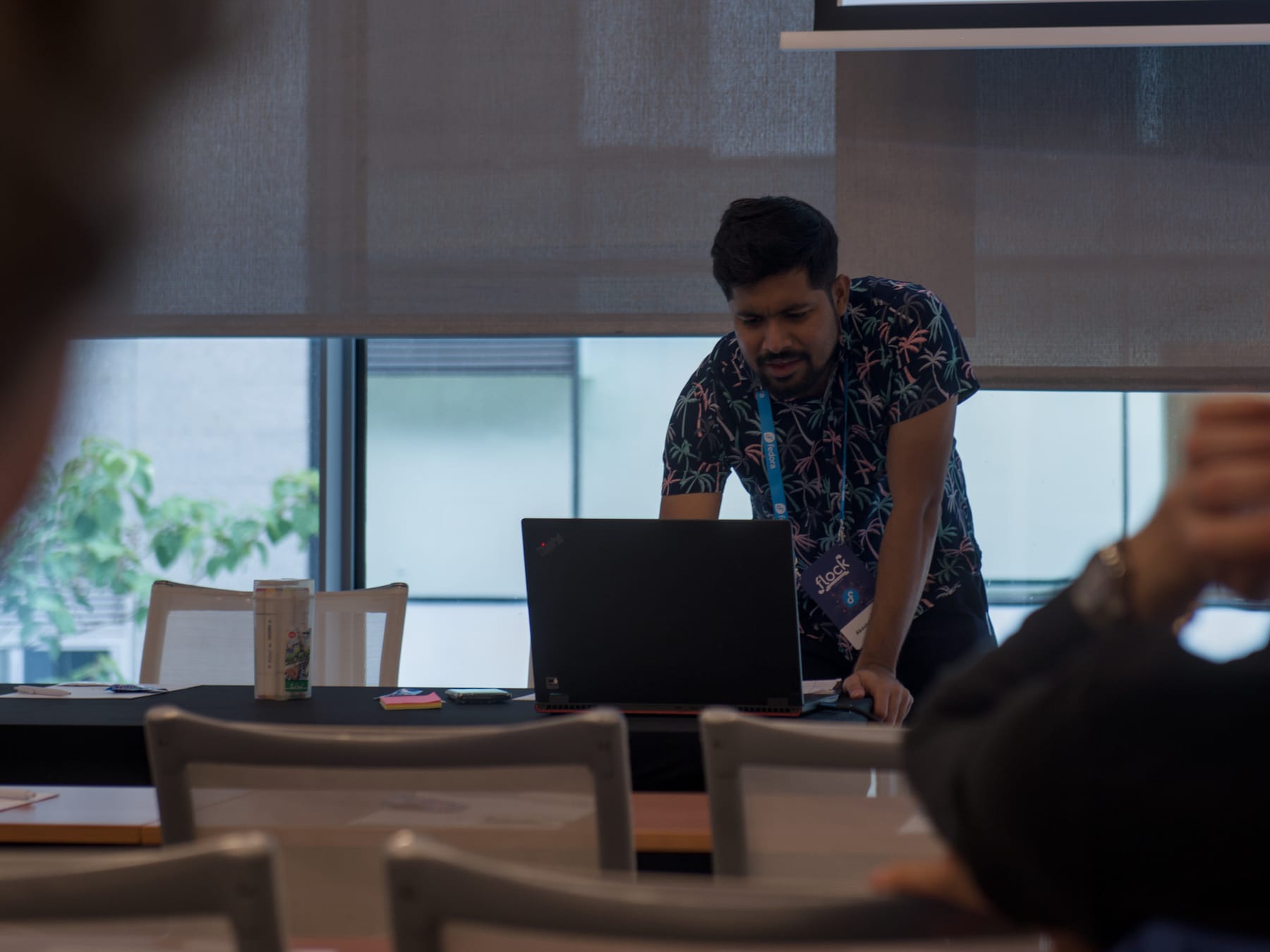
Running into the likes of Kevin Fenzi and Alexander Bokovoy in the hallway track did lead to some interesting community conversations, but I decided to keep those short to be present in the Opal room and prepare my distributable apparatus of sticky notes and sketch pens that I flew in all the way from Kolkata for this usage. Since the event venue provided multiple thin-sized A4 notebooks and rolling ballpoint pens at the attendee seats, all I had to do was provide the sticky notes for the hands-on activity on the heuristic user experience evaluation. After wishing Hristo Marinov the best, as even he was running an interactive workshop at the same time although in a different room, I found attendees gradually arriving at the Opal room for my workshop by around 0915am Central European Summer Time.
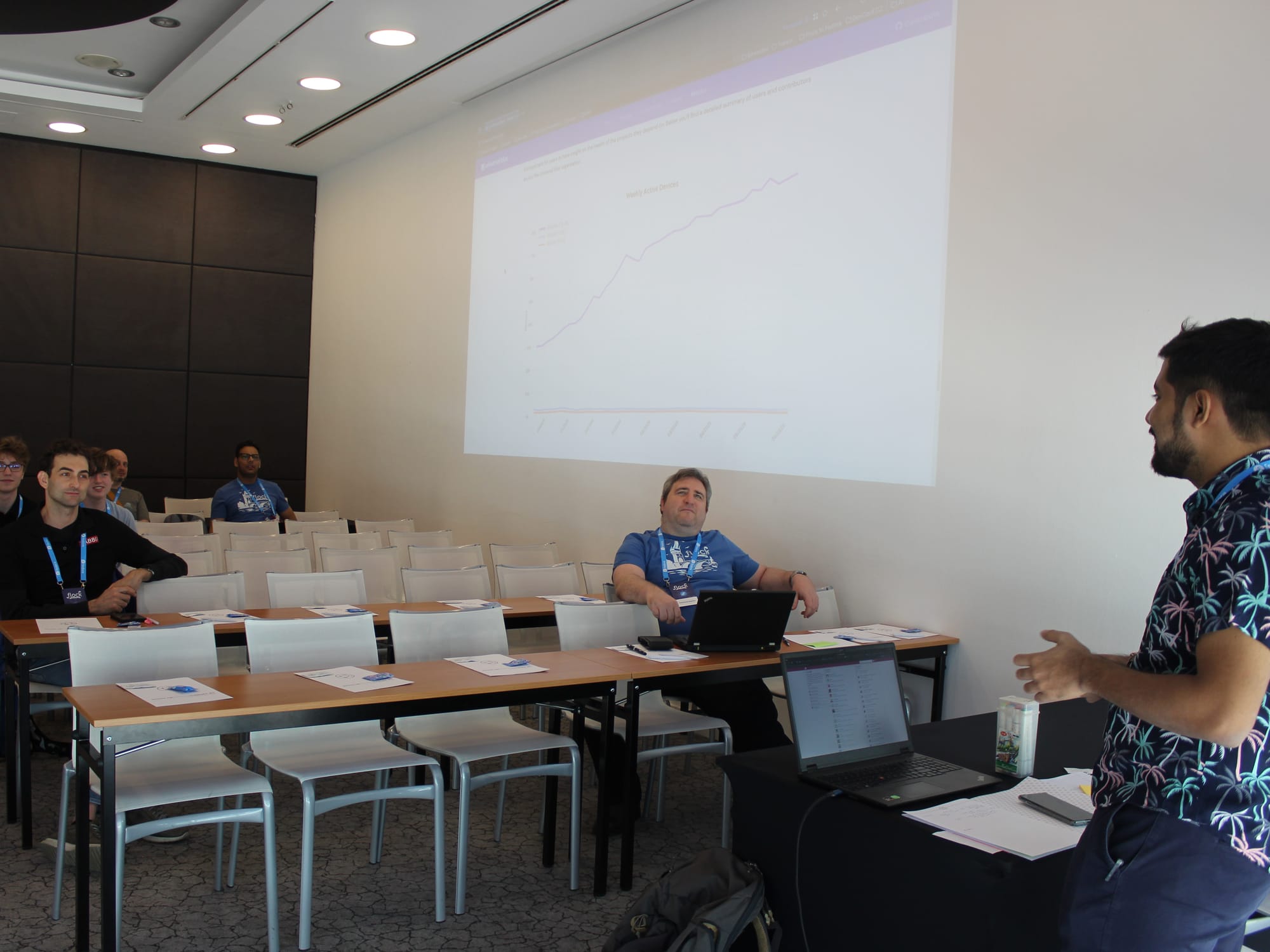
I realized that I had to manage the workshop's cadence on the move to ensure that I was addressing both the folks who had been there from the beginning and those who were just joining after some time. As I wanted to respect the time of the three folks - Vittorio Cioe, Jonáš Hubený, and Vít Smolík - who decided to join, I kicked off the workshop session then while recapping for the joining folks whenever we had them dropping in every now and then. My intuition to front-load the years-long backstory of the revamp initiative was on point, as it made little to no sense to start off the interactive parts with just three people attending. While I explained the architecture of the project system and the progress of the efforts through the multiple years, the attendee number increased from just three to over fifteen.
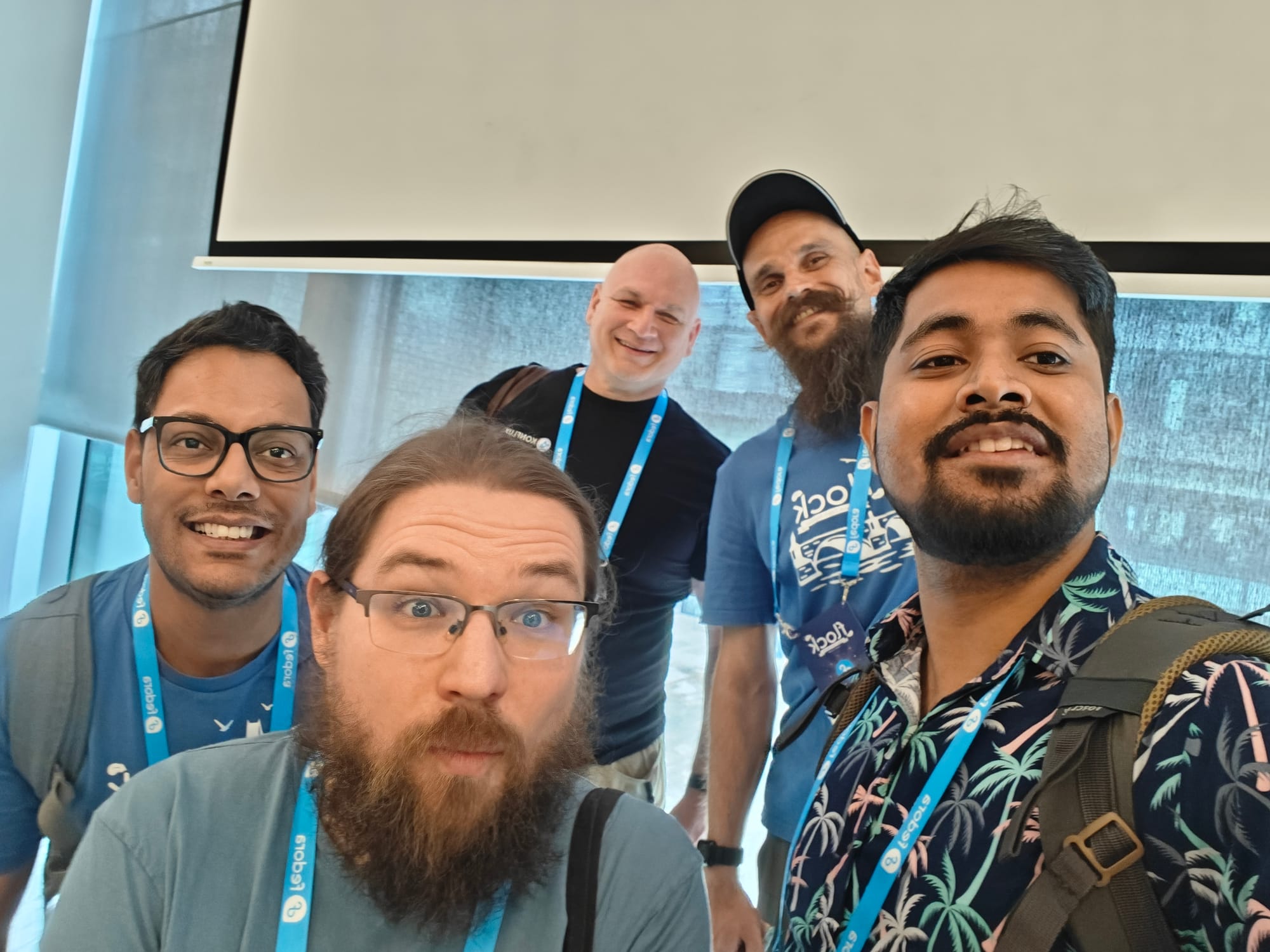
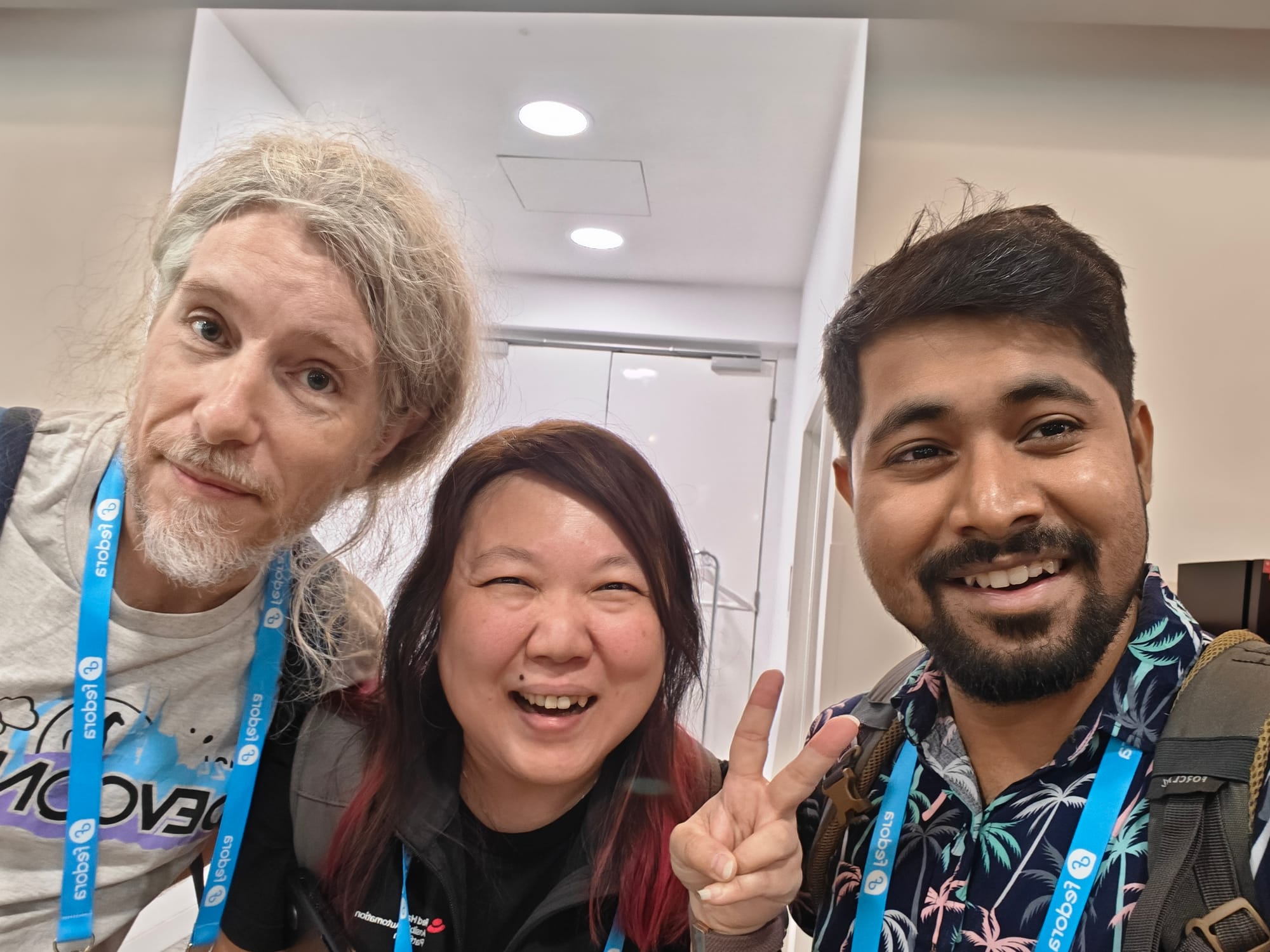
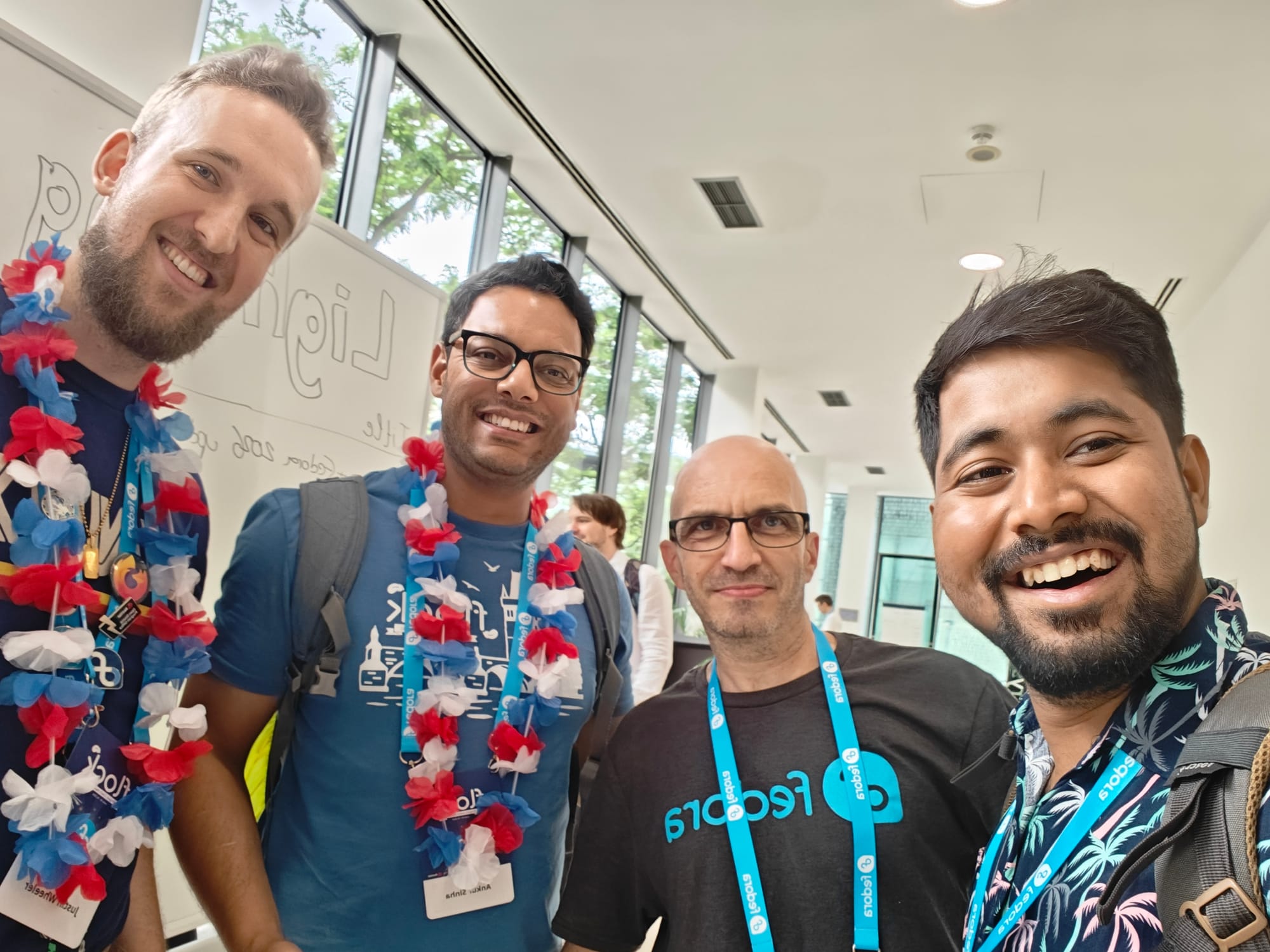
It was the right time to begin handing out the sticky notes, all while revealing the staging instance of the Fedora Badges deployment to the community. Gauging the individual awareness of the project also helped me cater specifically to those who did not know much about it but were deeply engrossed in learning. Since I had to cover the design modernization too, I blended superficial experience with technical talks, all while giving folks the time to provide feedback on the overall experience. While folks like Matthew Miller, Matthew Holmes, Justin Wheeler, Jona Azizaj, Cornelius Emase, and Ankur Sinha added to the activity as longtime volunteers, I also got feedback from interested newcomers to Fedora Badges like Shawn Dunn, Emmanuel Seyman, Guillermo Leiro, Misia Mary, Vittorio, Jonáš, Vit and more.
Matthew even mentioned handing over the ecosystem Discourse syncing script that integrated the achievements from the Fedora Badges backend into the Fedora Discussion platform. I was also helped with brilliant photography by Jakub Jelen and Misia, who took care of the entire event's photography efforts. The lenient ask of using either a mobile phone or a laptop computer to access the staging service also allowed me to obtain more involved feedback that I was able to take back to Aurelien Bompard and Shounak Dey. The second half of the interactive session became more involved, and I ended up overshooting the designated time by ten minutes or so. As there had been a twenty-minute-long break planned between the one-hour-and-forty-minute-long workshops, that was not really a deal breaker.
While I did not necessarily eat into someone else's designated time, I barely had about ten minutes to take a resting breath before heading back into the Sapphire room. If you can believe it - not only, did I have two workshops to organize on that day, but those were also scheduled in succession. With Tomáš being surprised that his HDMI support on Fedora Linux Asahi Remix was working flawlessly, I made it into the room at around 1055am Central European Summer Time. This was also a whole lot more packed with folks than the previous one, so the two of us decided to start five minutes after the designated time. If I had to attribute why there were relatively more folks here than in the previous workshop, a small part of it would be the scheduled time, but a large part had to do with the significant relevance.
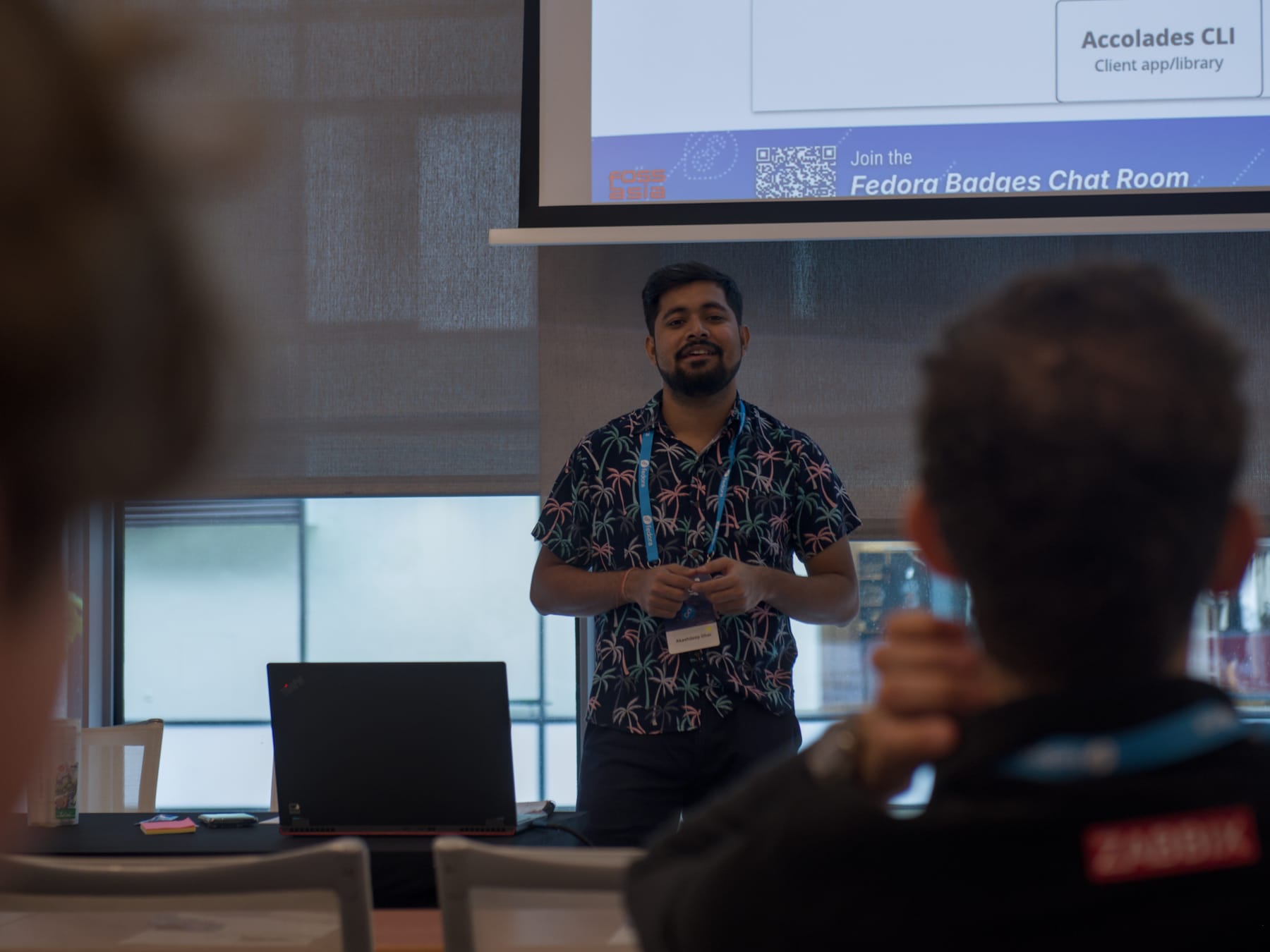
Being a critical initiative for the last couple of years in the Fedora Project, we were now heading into the Dist Git service aspect and were planning on rendering the Pagure service read-only. I spent the first half sharing the progress updates since the previous year's Flock event before handing it over to Tomáš for the plans for the Dist Git migration development. I made it a point to inform attendees on the housekeeping aspects, continuous integration, private issues, migration progress, learning pathways, and community involvement with due credit. That helped us take advantage of the attendees being present there in person for interactivity. The reception was a lot better than the previous year, with the folks participating not only in the hands-on updates but also in the future plans of the critical initiative.
We encouraged the attendees to pause us in between to ask questions or convey concerns as they felt like it. Sure enough, we had discussions around the potential private branches feature from Justin Forbes, the lookaside cache technological implementation from Miro Hroncok, the forced-pushing prevention policy from Fabio Valentini, the possible Pagure documentation change from David Duncan, the Pagure sunsetting service action from Ankur, the Forgejo Actions trigger config from Frantisek, the potential Bugzilla replacement development from Kevin, and other things. Even though there were a lot of talks to do, the workshop interactions felt well-spaced in a way that could be absorbed in the notes that I was taking along the way to share with the team members who could not attend the event.
Manifest #10
The neighbouring discussions also included concerns about the support for the Packager Dashboard, the templating of project repositories to include the files for European Union Cyber Resilience Act Stewardship, the need for SSH access for Dist Git project repositories, the methods for conveying the archival state of the source repositories, and other areas. Finishing off the workshop at around 1245pm Central European Summer Time, my involvements continued at the dining area with the Fedora Mentor Summit 2026's Lunch And Learn Matching. Ankur also decided to accompany me in helping out with the organization, and we headed to the lunch area to meet with Shaun McCance and Jona, who were helping prepare the tables for the folks to discuss various topics, all while enjoying delicious food.
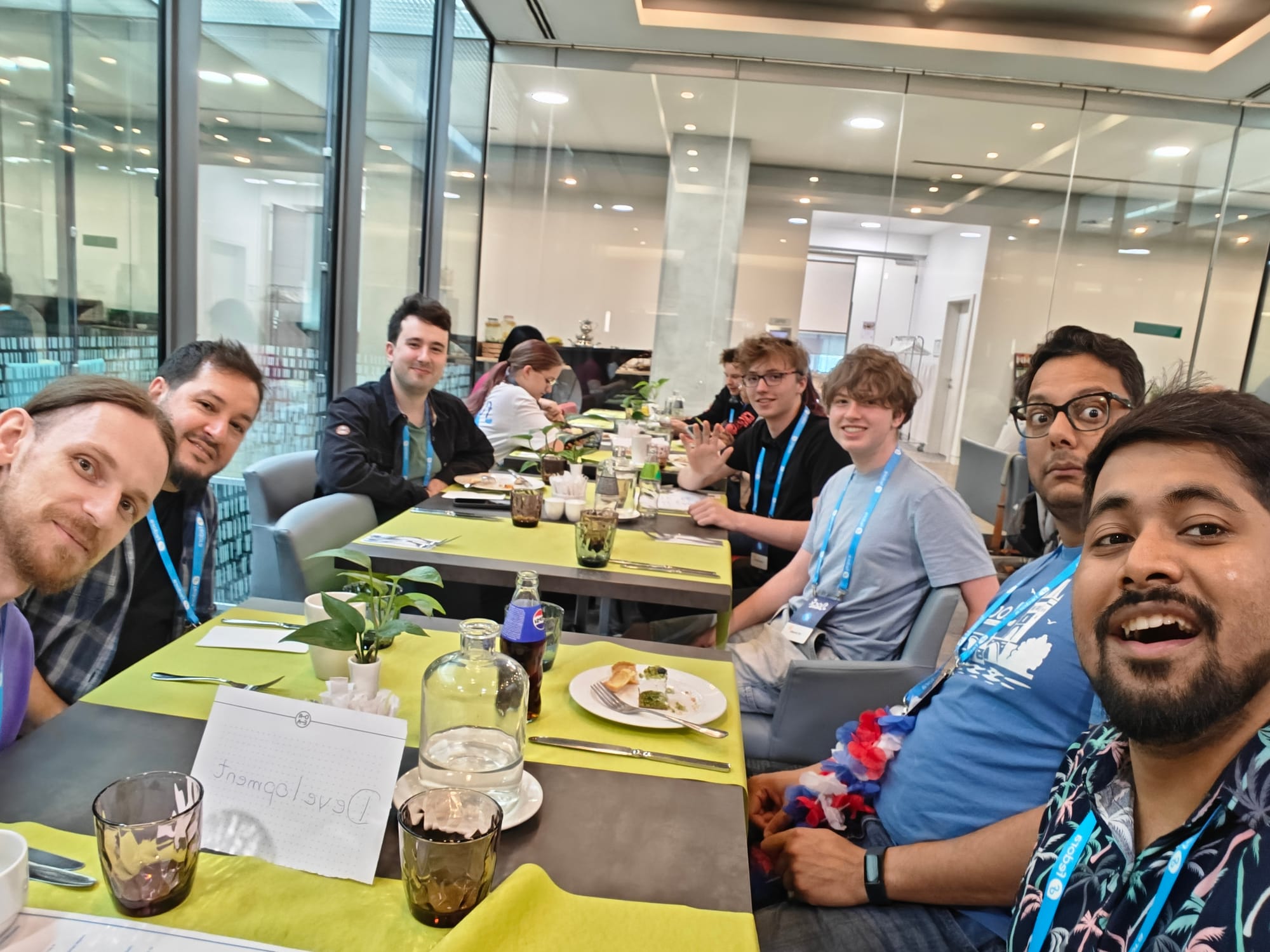
On Shaun's expedient advice, we used the whiteboard to draw the attendee crowd towards us, while detailing the topics scoped for discussions on that day. On the fifth year of the Fedora Mentor Summit event, we departed from the need for pre-dated registration for the Lunch And Learn Matching and opened it up to everyone at the conference. This not only allowed for greater participation along the way, but we were also able to curate the involvement based on the selected topics for the three days. Take, for instance, the topics for that day: Documentation, Operations, Development, and Marketing. In a community where everyone is both a mentor and a mentee, anyone could join any table they desired to share what they have or learn from the others, thus making meaningful connections at an in-person event.
Manifest #12
Astonishingly enough, it was mostly down to Jona and me at the event to run the Fedora Mentor Summit 2026 proceedings, as many of the helping folks could not make it to Flock To Fedora 2026. We decided to get seated ourselves after setting up the table presences with the likes of Hristo, Kevin, Cornelius, and Ankur with their interested topics. I also suggested to Jona that he take the first separated dining segment from the next day onwards to be able to catch attendees right after they had taken their plates, since the Pretalx platform mistakenly noted that the social event was taking place in the Sapphire room. Also, offering a distinct Fedora Badge allowed us to pull in more folks to our little event, and we were able to close the lunch event as a success by around 0145pm Central European Summer Time.
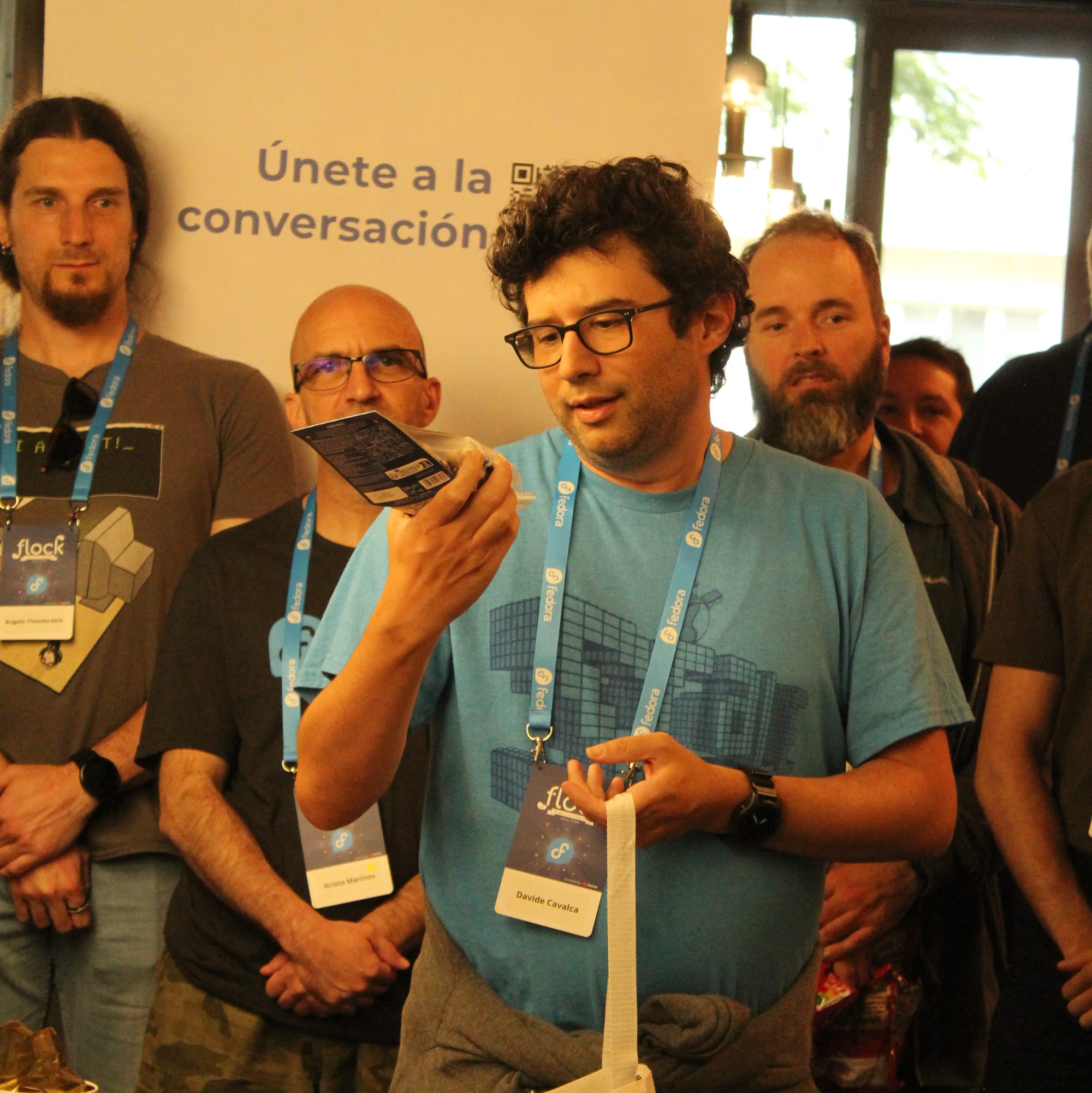
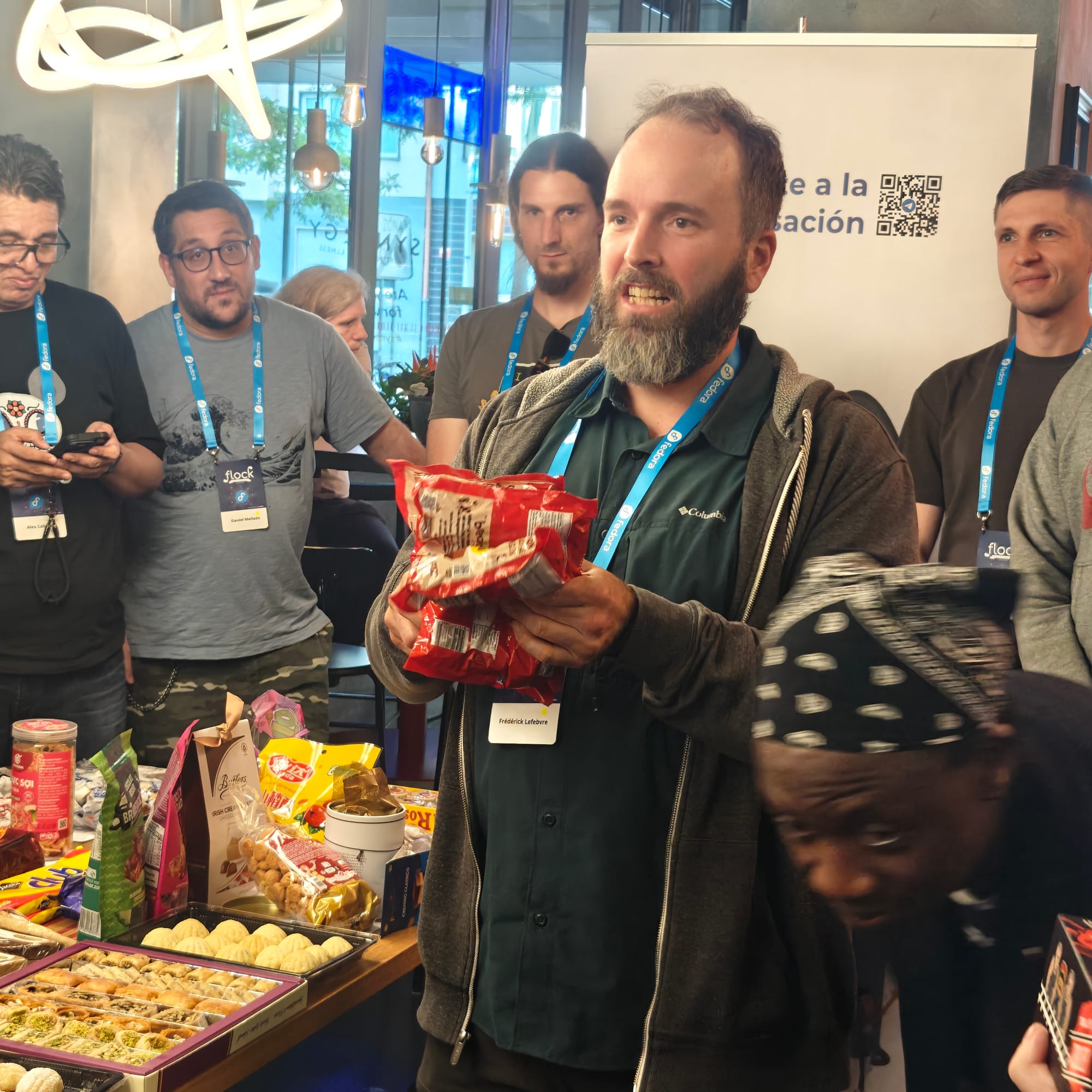
Manifest #13
This also meant that I had no more scheduled obligations for the day - some free time that I used to catch up with the likes of Michael Scherer and Carol Chen after a year or so, since I did not visit FOSDEM that year. Paired up with Ankur now, the two of us headed into the Fedora Data & Analytics Workshop, which was chaired by Michael Winters at around 0200pm Central European Summer Time. Honestly, it was rather impressive to see just how he was able to use the Datanommer store in building a Data Lakehouse that could potentially answer question on effective community health metrics. He even detailed my previous attempts at generating the activity information that I worked on ages ago, called Fedora Contributor or User Activity Statistics, and how he built the first prototype of the Hatlas Project.
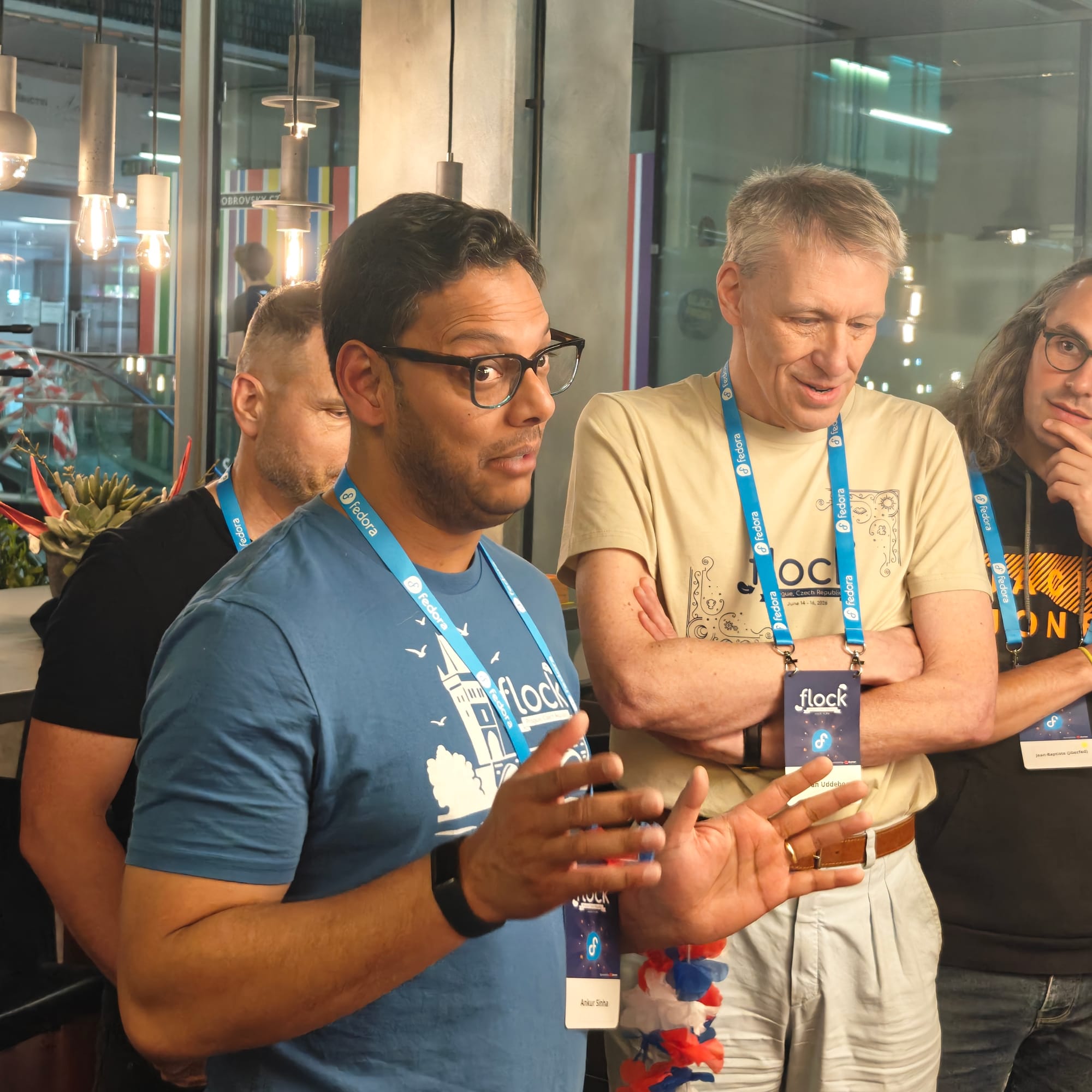
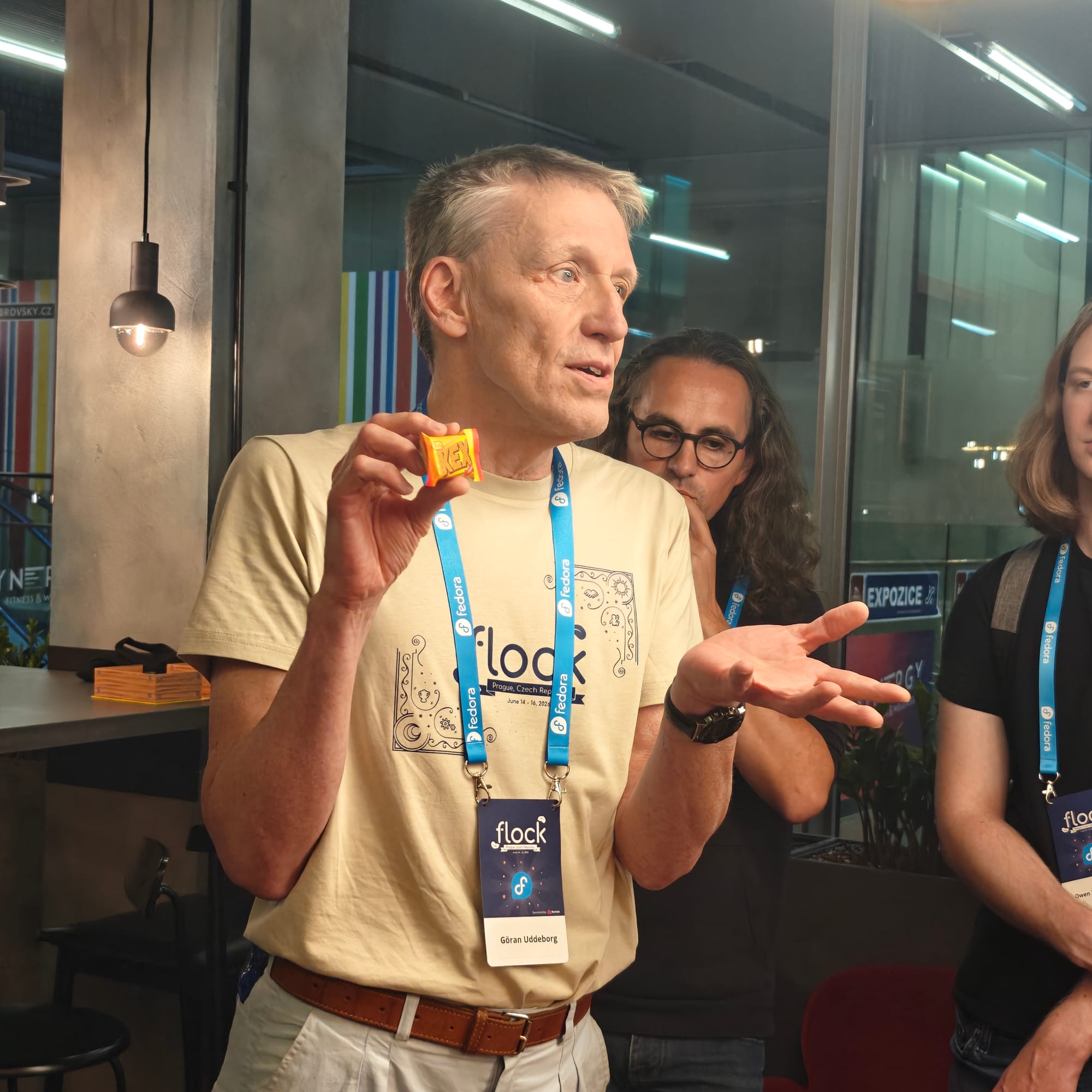
Manifest #14
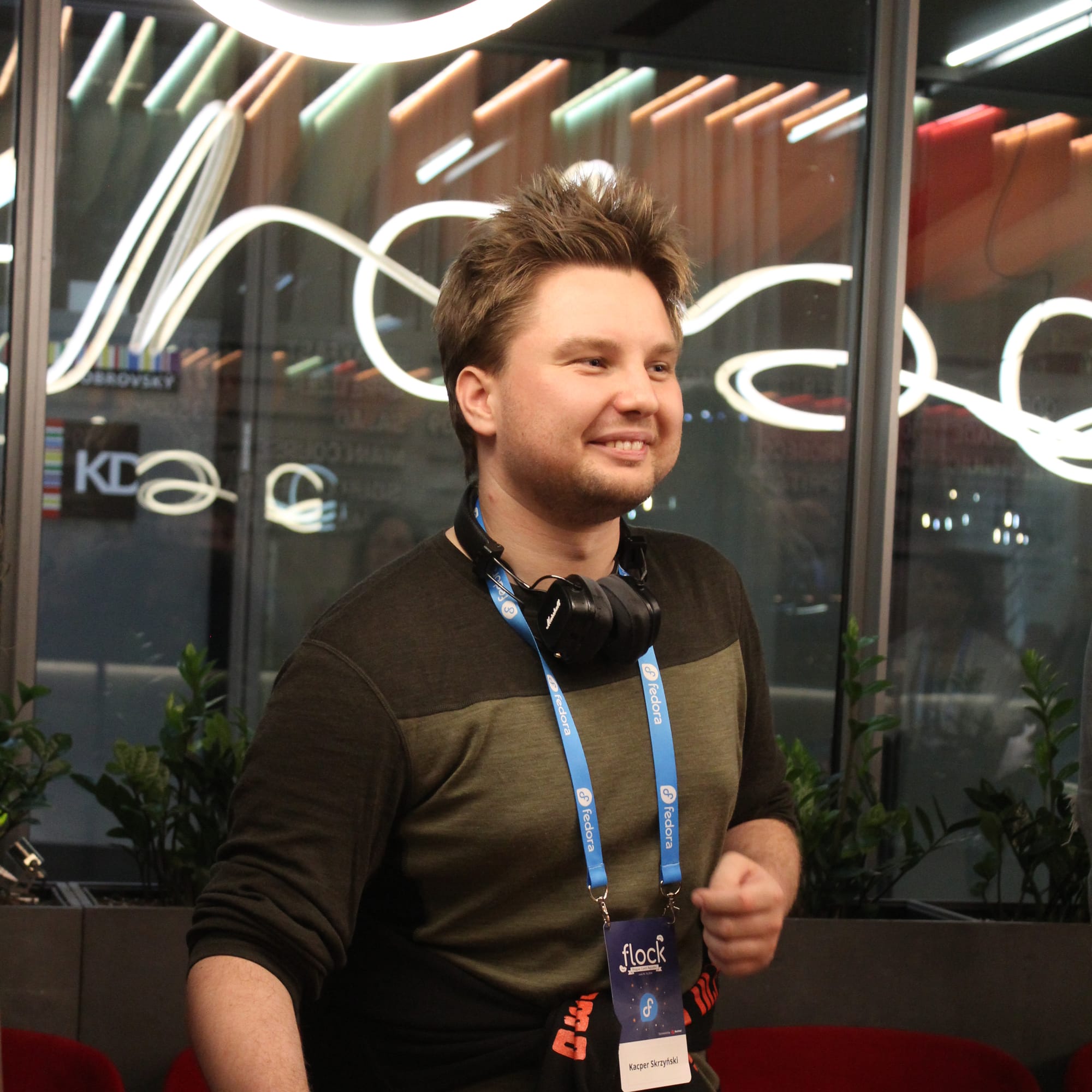
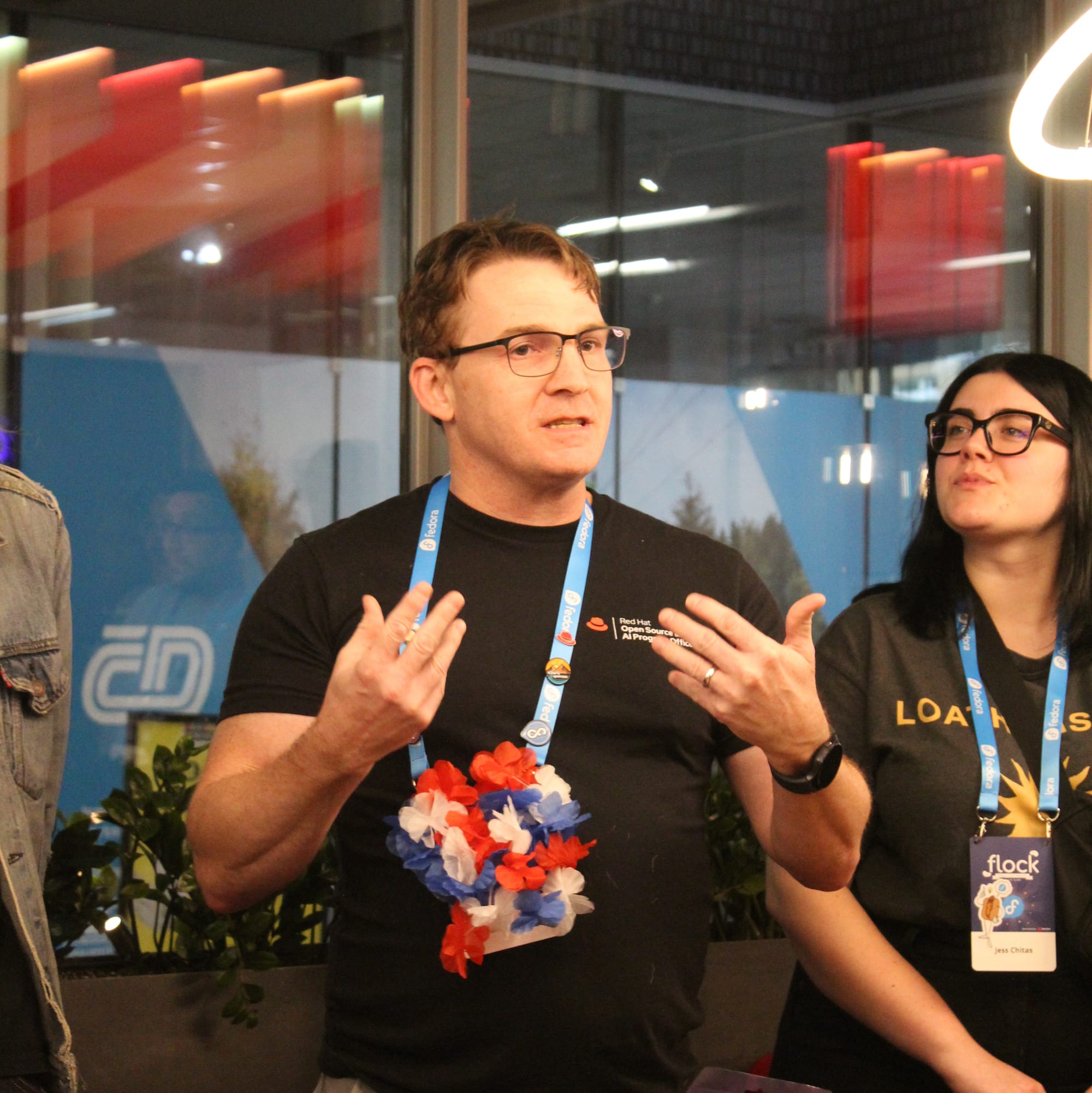
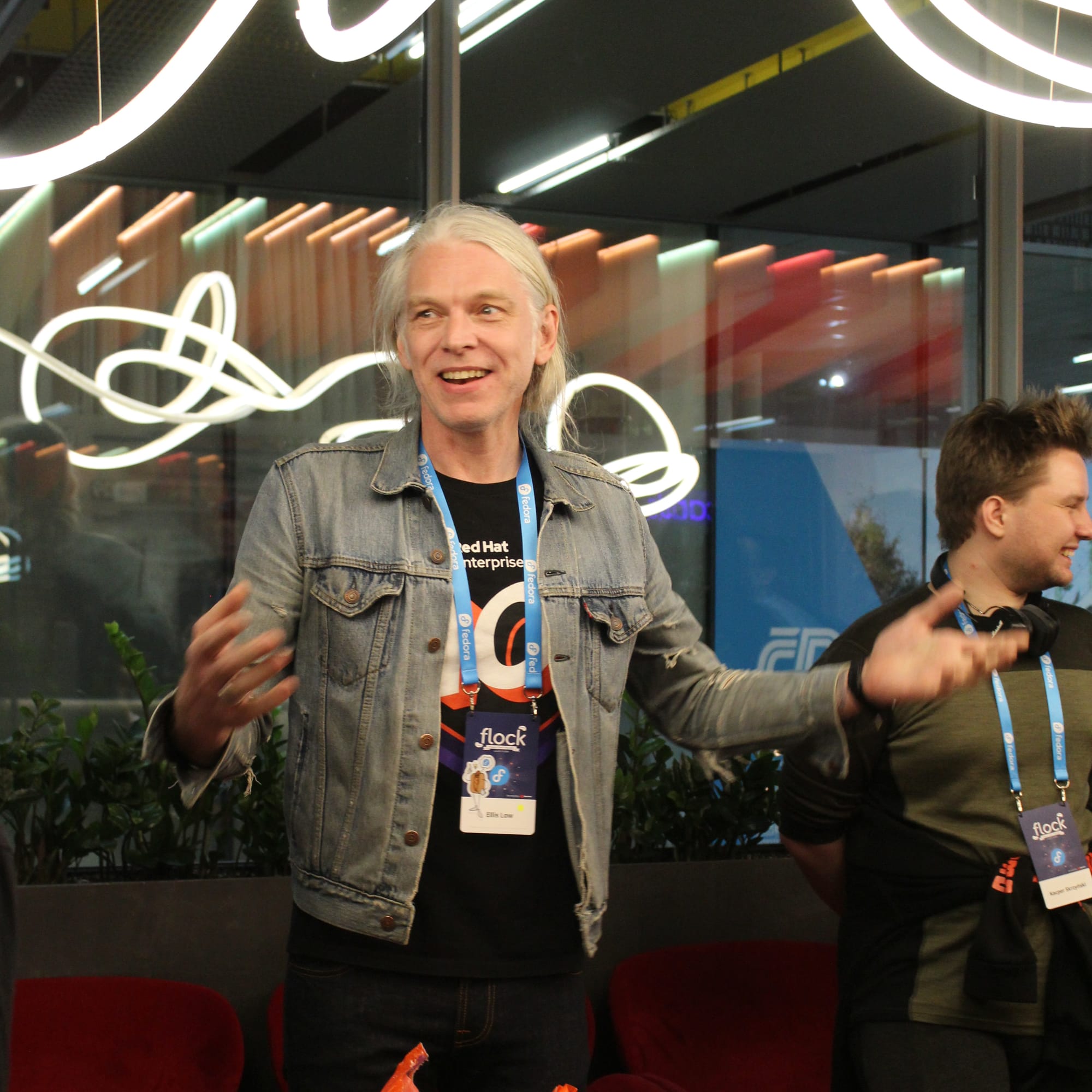
The interactive workshop also detailed a variety of data-related infrastructure tools that he made use of and our frustrations with the synchronously built Datagrepper API for fetching information. With Jef Spaleta and Matthew working to fetch data for the Fedora Project Leader Keynote to be presented on the next day, that also involved a bunch of technical debugging and agentic development. Following the closing of that workshop and meeting with Michael on Fedora Badges, Ankur and I headed next into Ellis Low's interactive workshop on Do-It-Yourself AI: Build a Private Customizable Chatbot on Lean Hardware at around 0400pm Central European Summer Time. While the presenter suggested building the projects from source, Ankur and I realised that both of them were packaged in Fedora Linux.
Manifest #15
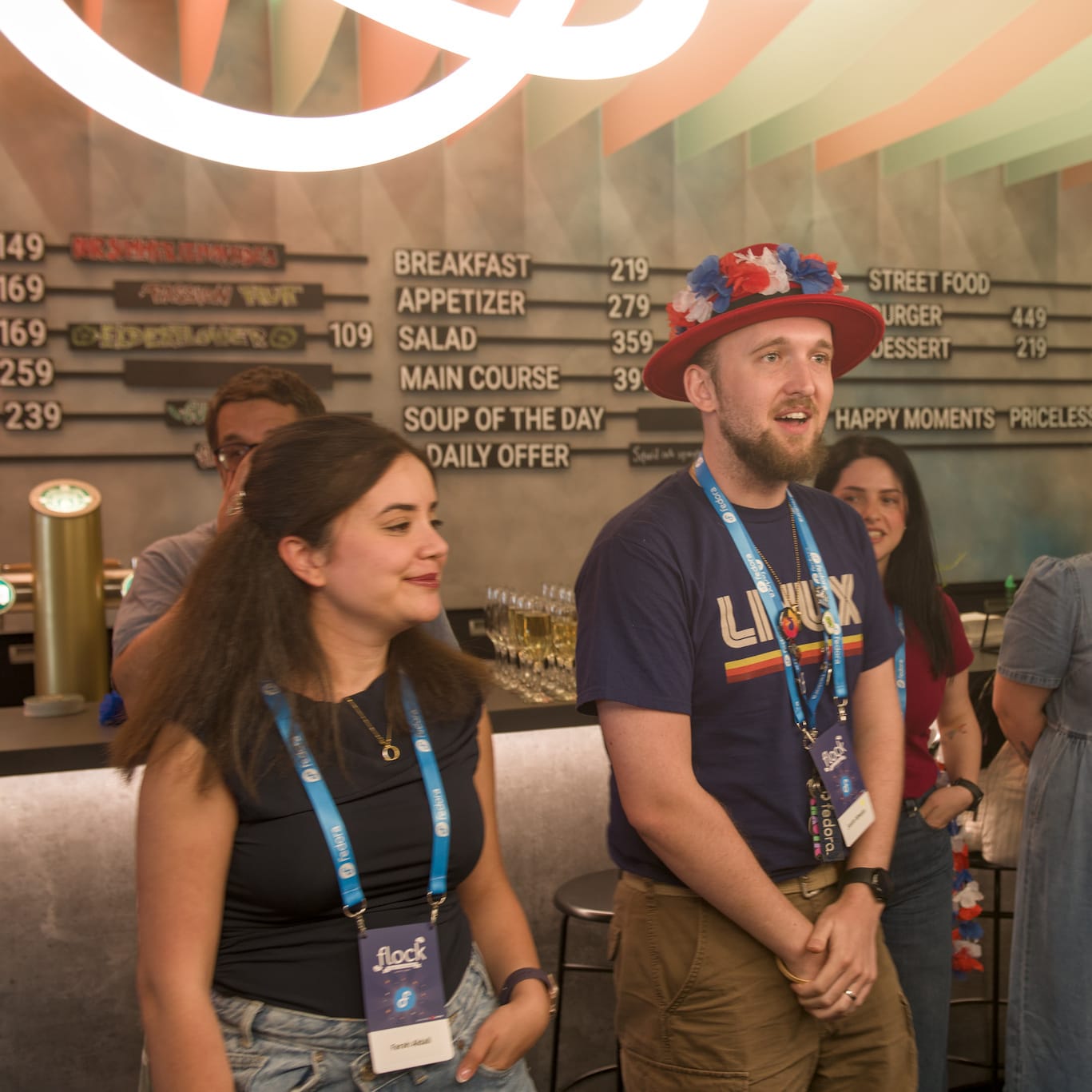
We suggested the use of the officially updated llama-cpp and whisper-cpp packages on Fedora Linux while competing on CPU-bound build times and running lighter hardware models. Strangely enough, at around this time, I found myself banned inadvertently by the automated moderation from one of the Flock To Fedora 2026 Matrix rooms after posting photographs from the event to serve the remote folks, since the workshop proceedings were not live streamed on that day. I was startled, but the banning action was immediately rectified by Steve Cosette, who helped us by remotely moderating the chatrooms manually. We also ran the Docs2DB project locally on our laptops from the PyPI source, and it was impressive to see just how the documentation database could be queried as if it were an expensive chatbot.
Manifest #16
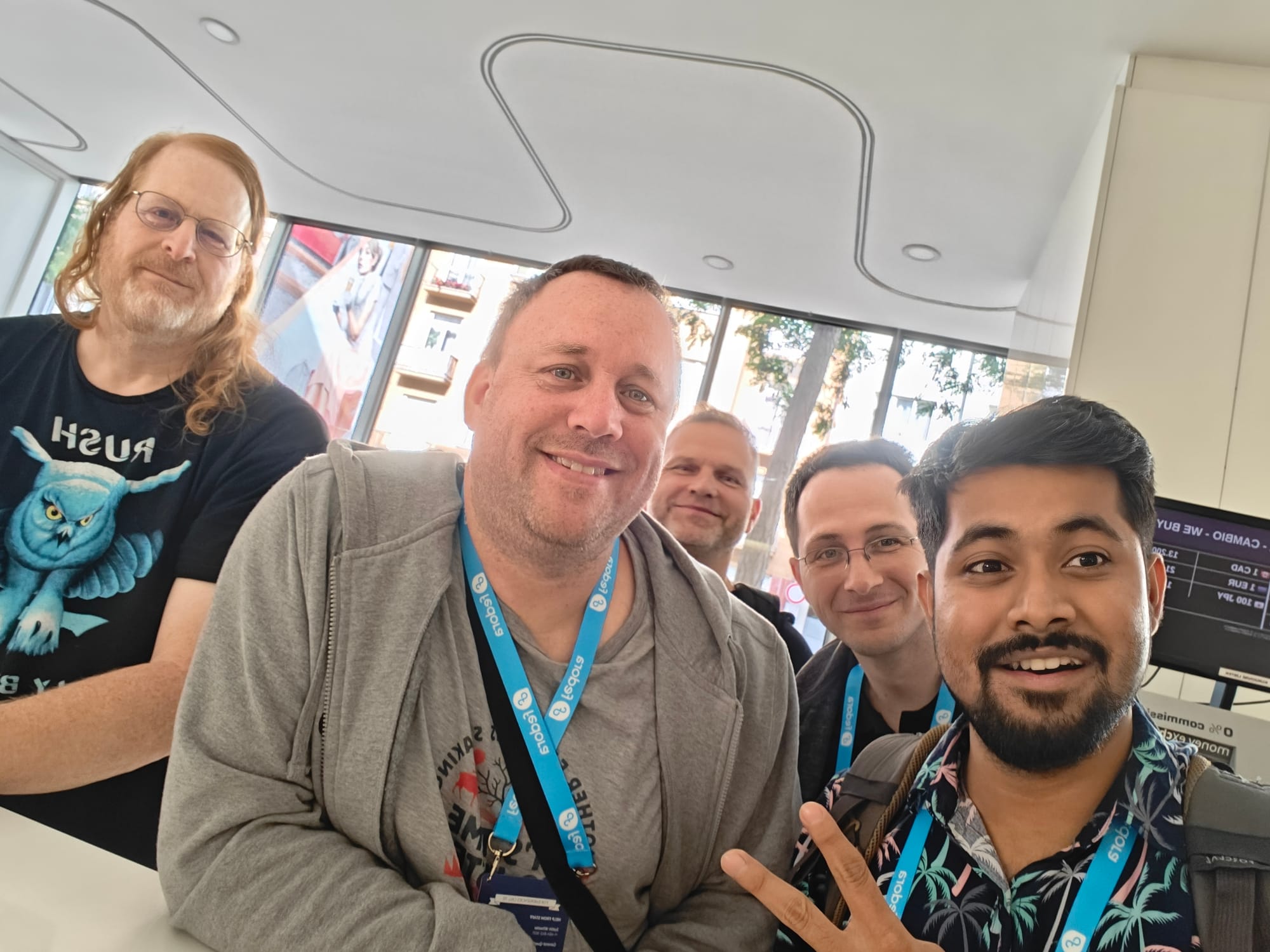
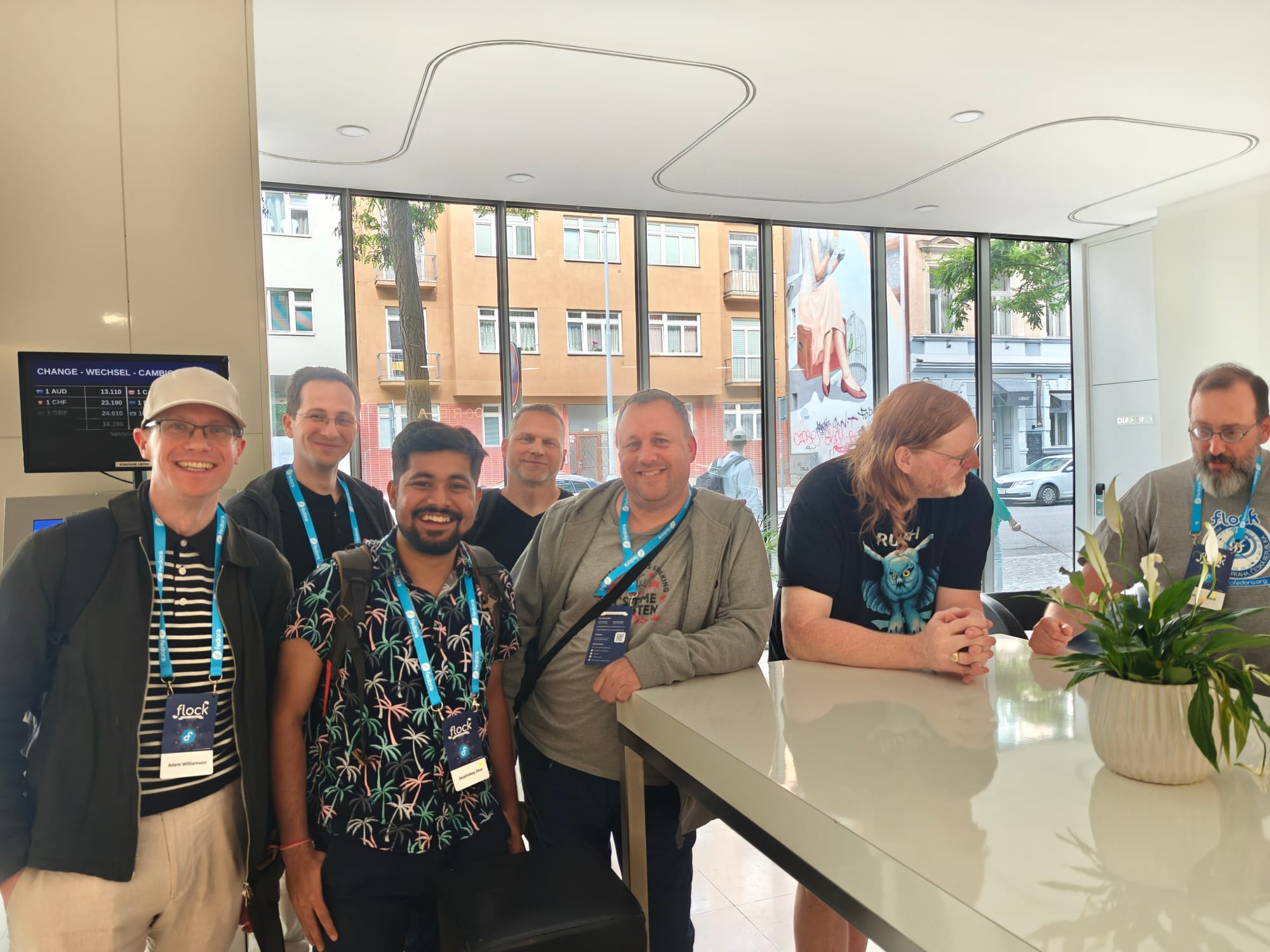
I appreciated the deeper focus on decentralizing artificial intelligence workloads and the greater emphasis on running models on local hardware. While Ellis did acknowledge the potential shortcomings of CPU inferencing, the advantages found in data security far outweighed the possible frustrations with slower task. The first day of the event's proceedings was done by 0600pm Central European Summer Time, and I realized that I barely had a few minutes to make it to the lobby for a group dinner with my colleagues from the Red Hat Community Linux Engineering Team. After meeting the ever disciplined and always punctual Fedora Quality Assurance Team at the venue lobby, we marched towards the dining place soon, as we wanted to be back at the venue for the International Candy Swap event too.
Manifest #17
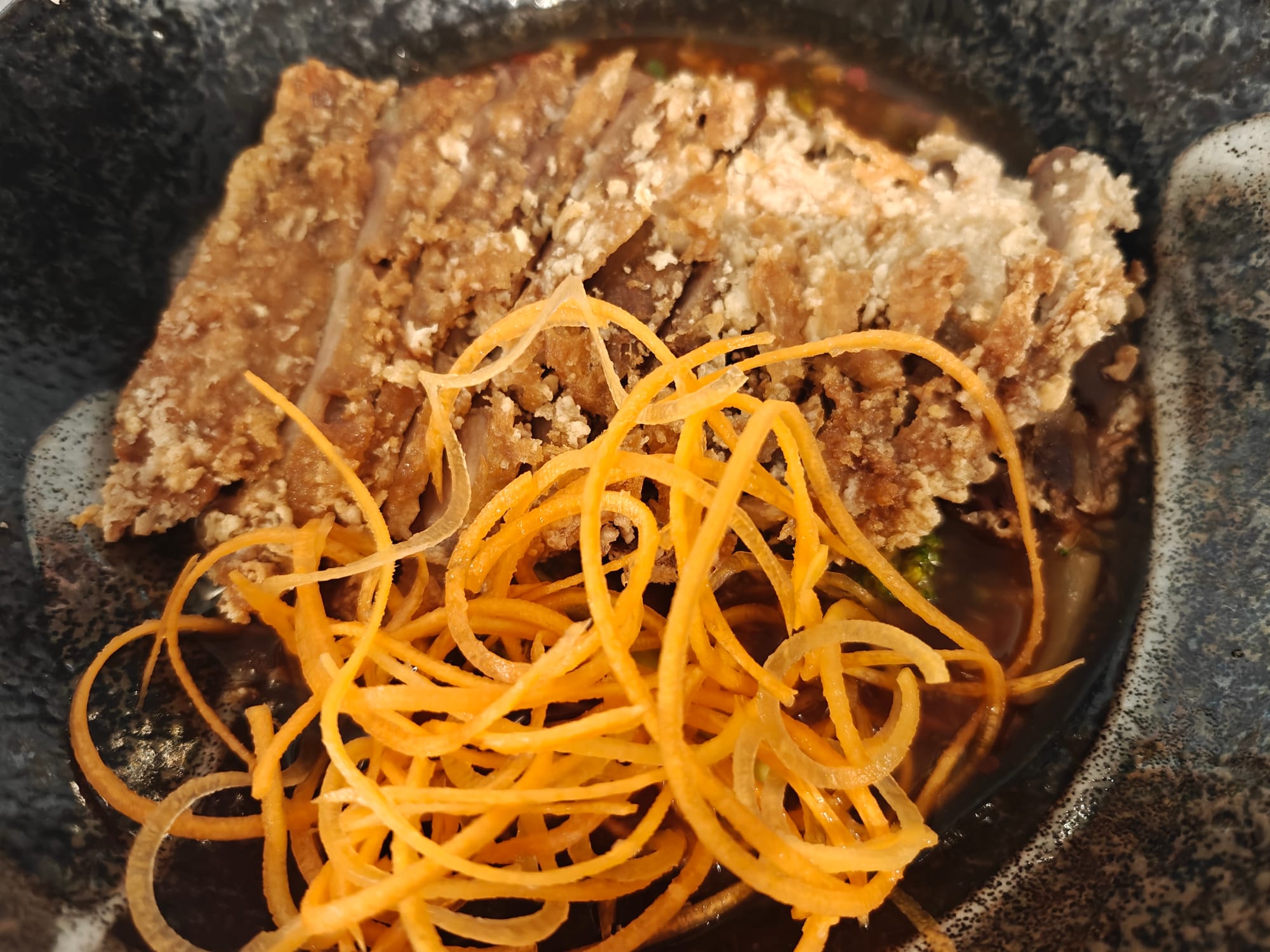
I caught up with the likes of Adam Williamson, Kamil Paral, Kashyap Chamarthy, and Lukas Ruzicka, and after being joined by Lenka Segura and Michal, we finally made it to the restaurant. As luck would have it, even this ended up being an Asian place like the day before, but I honestly did not have any complaints with that. Following Tomáš' meal advice from the day before on the dish, and after a chat on the introductory mails for the sysadmin-main incoming membership with Kevin, we departed for the venue again at around 0700pm Central European Summer Time for the International Candy Swap event. Michal and I had to run back to Ibis Praha Mala Strana first to fetch our event offerings, but we were able to rush back to the celebration place right when the introductions were barely about to kick off.
Manifest #18
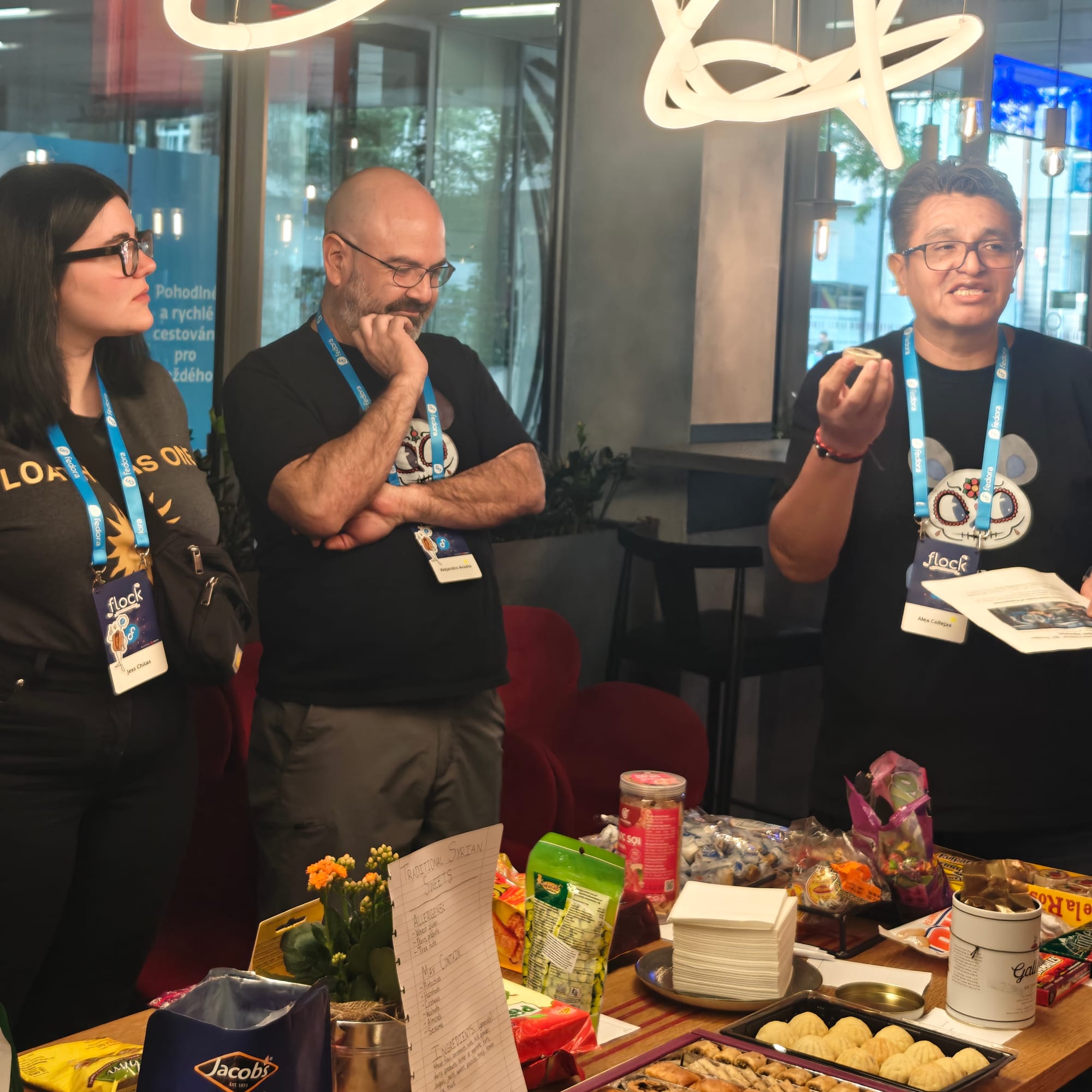
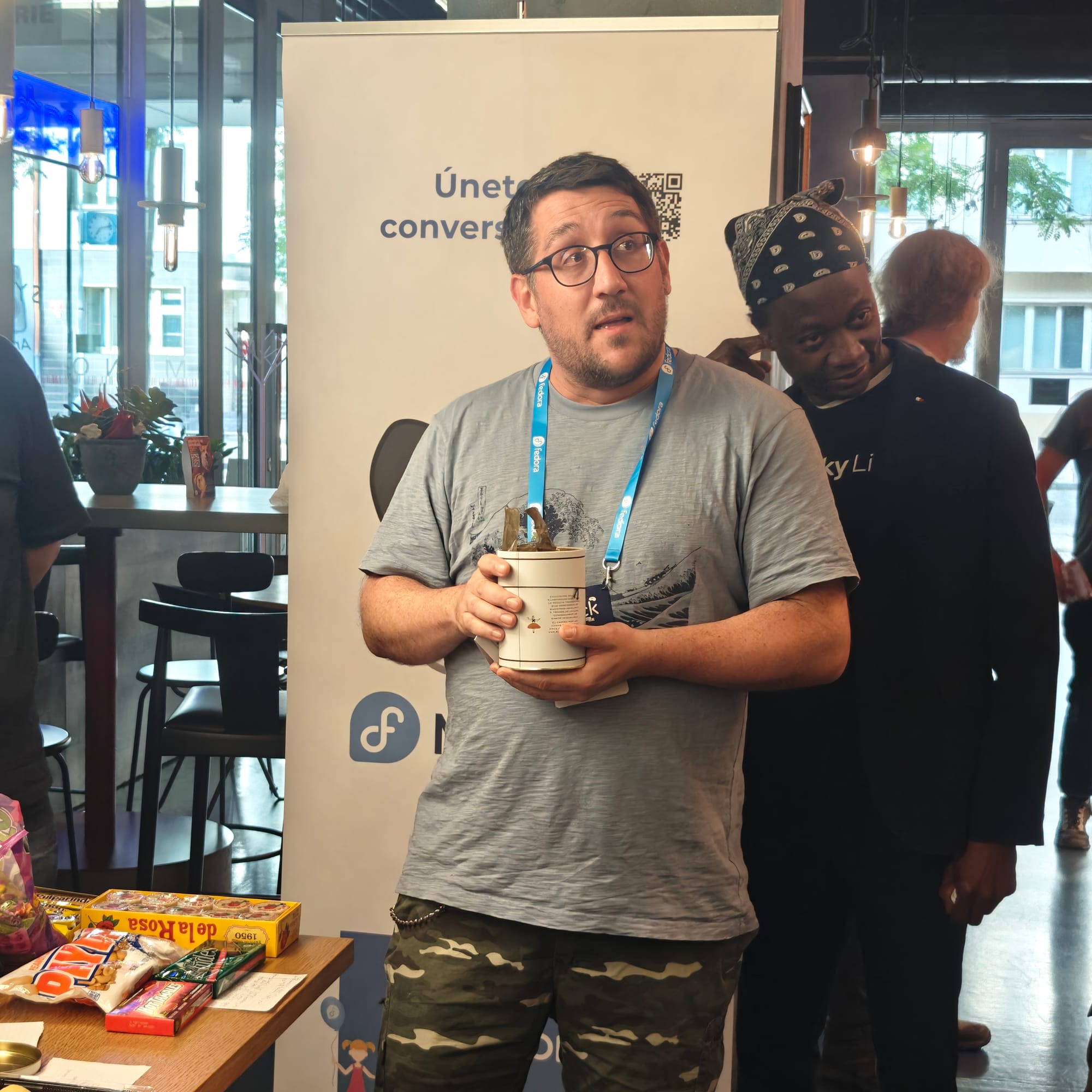
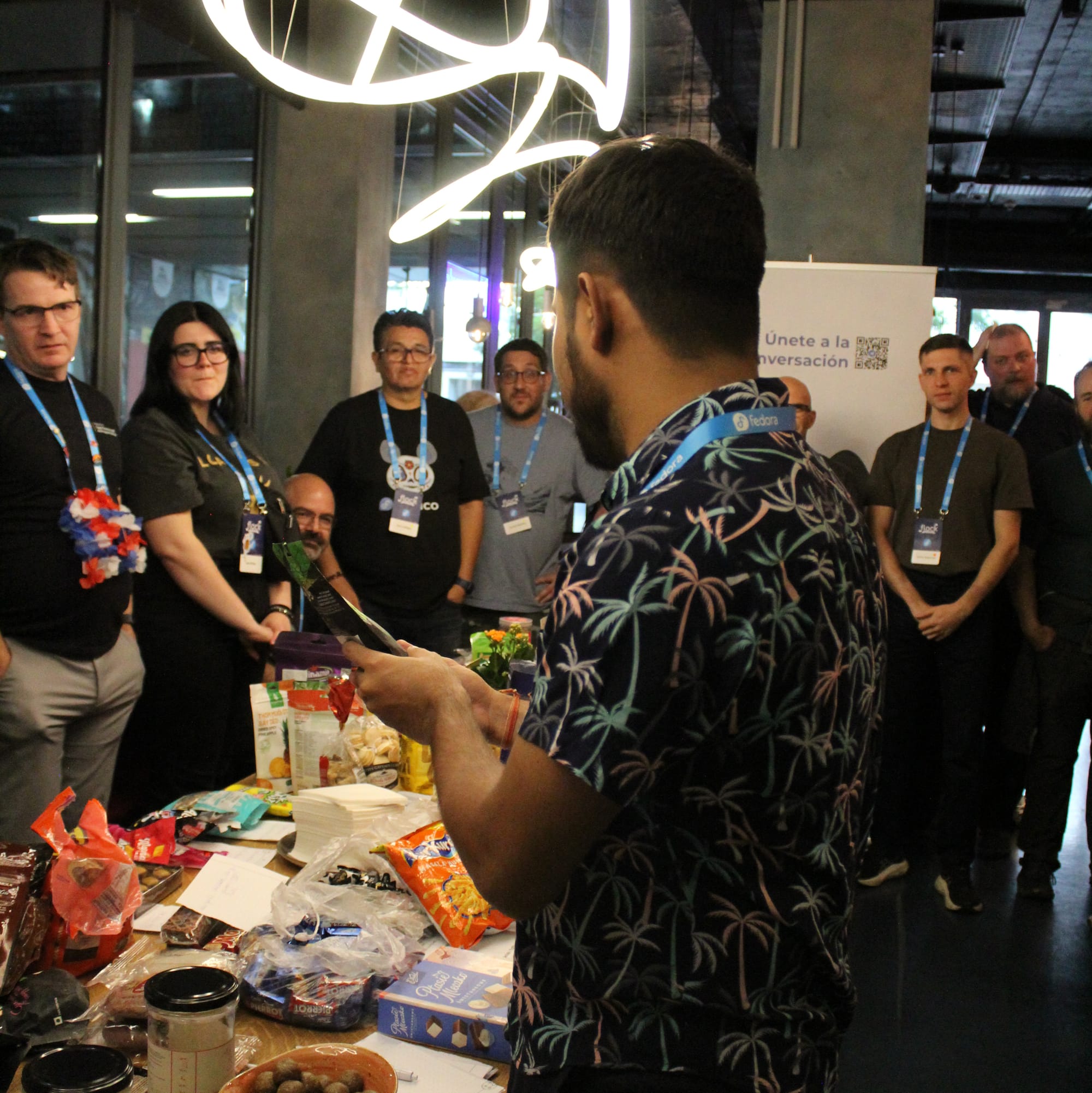
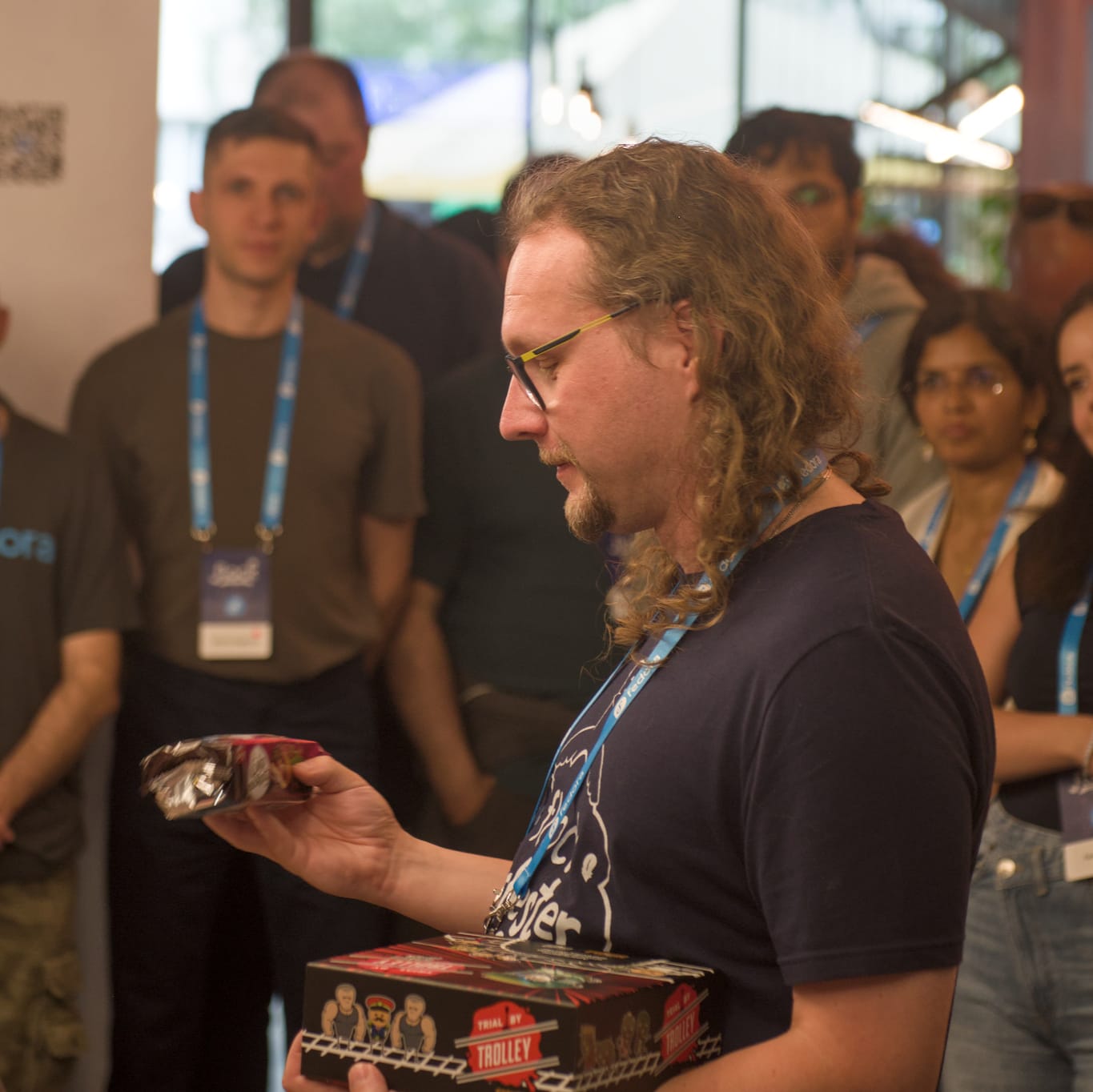
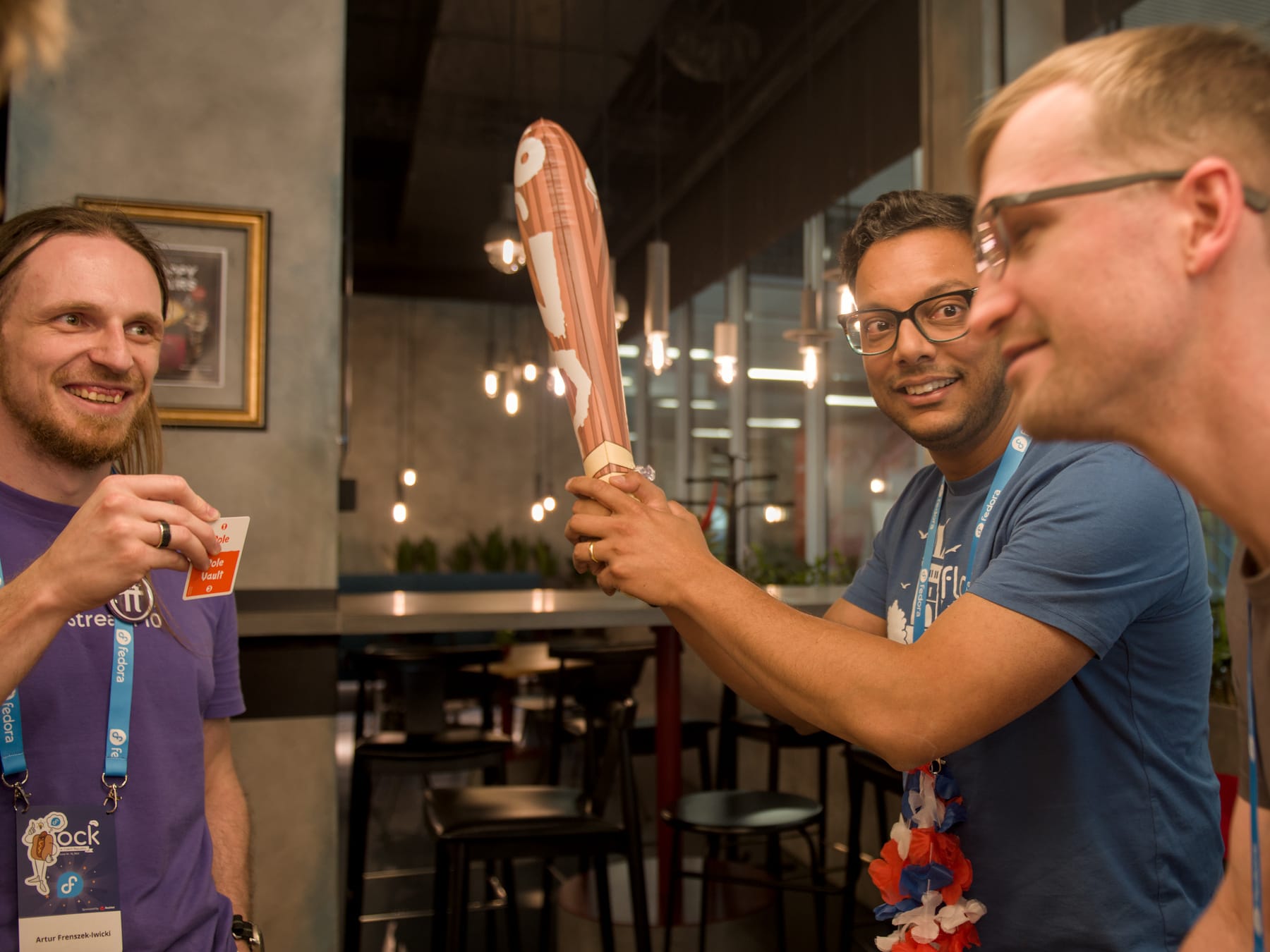
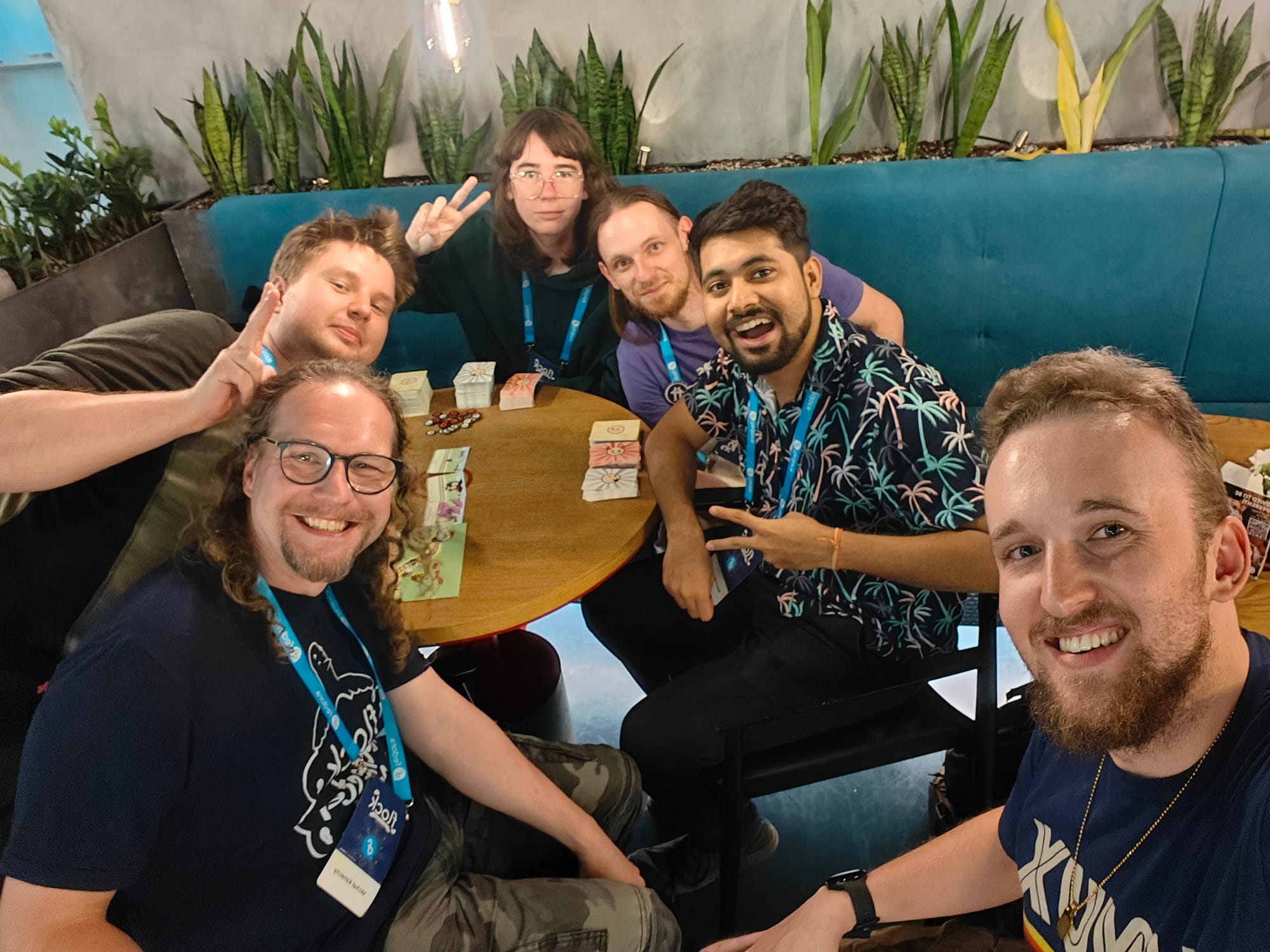
Making a note of the potential allergens and origin introductions for my delicious haul on the paper piece, we went around the table with those discussions. For the hard candies of flavours like Orange, Guava, Mango, Lychee, Tamarind, and Coffee that I flew in all the way from Kolkata, I feared that I might have overdone those additions to the already massive toothache variety. Since Michal and I were stuffed from the team dinner, we had to be extremely choosy with what we tried tasting. I was accompanied by Christopher Klooz, Artur Frenszek-Iwicki, Kacper Skrzyński, Matthew, Ankur, and Emi for the tasting trials before finding a nearby table for a round of Michal's board game, Cyanide and Happiness: Trial By Trolley. We took turns playing the train driver and made comically difficult choices for scoring high.
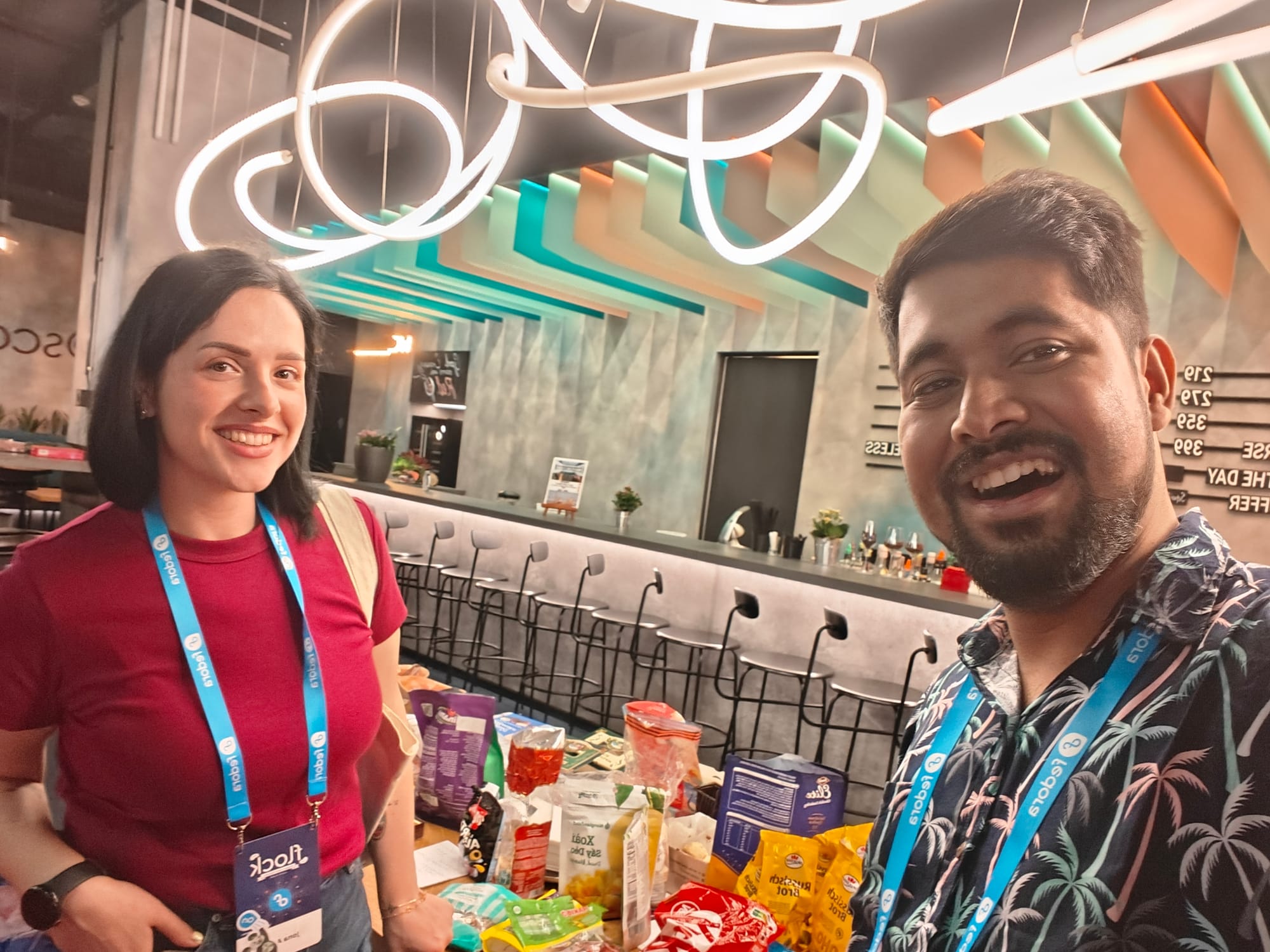
After being briefly joined by Matthew and Justin at the game table, I found myself getting sleepier by the passing minute, so I decided to call it quits after the first couple of games. I realized that I was struggling to get adequate sleep anyway, and the last thing I would want to do then was to deprive myself of what was duly deserved. I struck a chat with Jona about the planning of the next day's Fedora Mentor Summit proceedings, all while following Justin's advice in getting small pieces of regional candies I wanted to fly back home for my family and friends. I decided to head back to my hotel right after bidding everyone farewell at around 1030pm Central European Summer Time and attempt to catch some shut eye to see just how successful I would end up being after the super eventful first day.