Storytelling Analysis - Oshi No Ko (2023) Pilot Episode
Breaking a years long anime media hiatus, I watched Oshi No Ko (2023)'s pilot episode during an Indigo flight and was fully hooked. With stellar storytelling, memorable characters, emotional narrative, and gorgeous presentation, it stands among the finest anime media premieres I have ever watched.

I have been appreciating YOASOBI's work for quite a while now. One of the reasons why I chose Oshi No Ko (2023)'s pilot episode as a means to end my long anime media hiatus was because their popular single and the anime series' opening music, Idol, also featured in one of my favourite videogames, Forza Horizon 6 (2026). Reading into the song's lyrics only made me further intrigued to understand just what the show was all about, given how this feature song was purposely composed for this anime series. My upcoming two hour long flight meant that I would end up having nothing but time to delve deeper into uncovering the darker secrets, all while keeping the boredom at bay by watching the show.
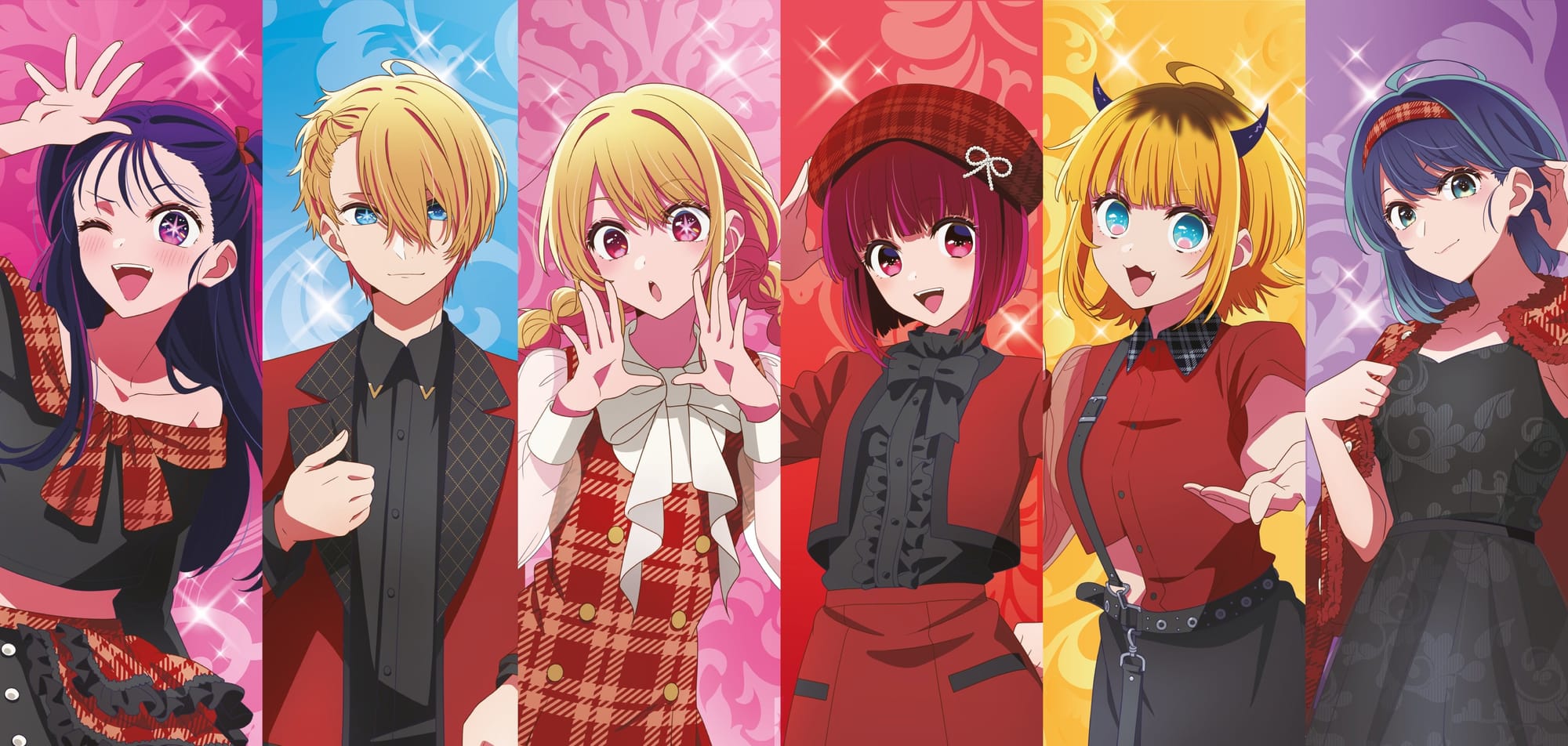
Let me preface this with a disclaimer - I do not write reviews. Or at least, I do not write them until I feel compelled to do so. When I found myself calling up my friend right after landing from my Indigo flight, I realized this was something I would want to talk about. For someone who had sworn off anime media for almost over a couple of years now, I had little reason to return - let alone watch something that was already three years old. With the anime series itself getting refreshed for the fourth (and final) season, I could have watched something else. But for some reason, I stuck to Oshi No Ko (2023)'s pilot episode to keep me entertained on my flight from Pune to Kolkata, and boy, am I glad that I did that.
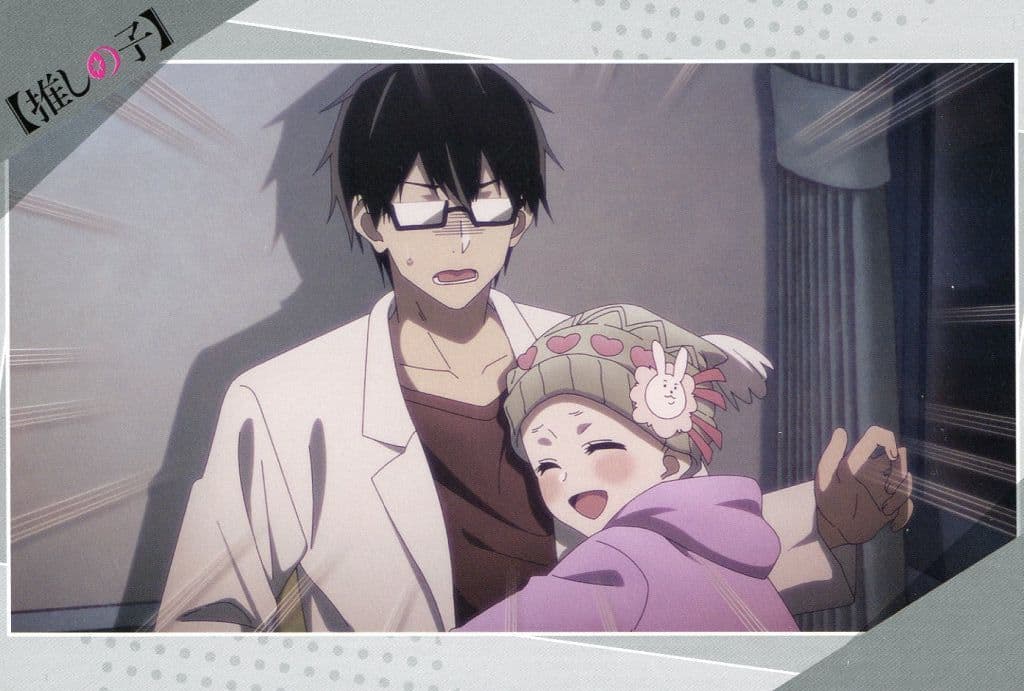
The oddly long pilot episode wastes no time throwing you into the deep end. Whether it is about finding hope amidst overriding mediocrity (when it came to Gorou Amamiya), seeking life amidst impending despondency (when it came to Sarina Tendouji), or pursuing belonging amidst surrounding insincerity (when it came to Ai Hoshino) - everyone had their motivations. Also, unlike contemporary anime storytelling, the pilot episode was filled with tonal shifts, transitioning the emotional atmosphere from inescapable despair to heartwarming wholesomeness, and from whimsical fantasies to grounded realities. Along with tight pacing, the fifty eight minute long episode had absolutely zero dull moments.
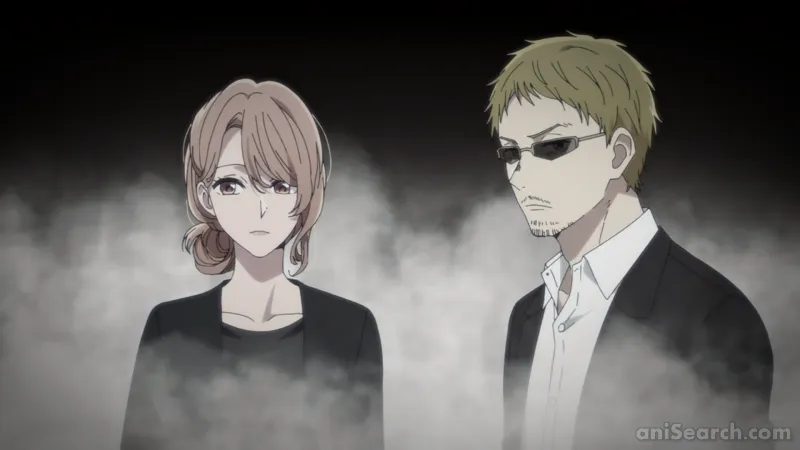
You know you have struck gold when you find yourself rooting for the side characters too. There was something charming about the likes of Miyako Saitou and Ichigo Saitou, with their personal approach towards nurturing the main characters all while battling their own demons in their desperate struggle. I felt recognized when the narrative trusted my viewing judgement - both when Taishi Gotanda elaborated on the dire state of the show business and when Kana Arima discovered her acting rival during the movie shooting. Every now and then, my inexperience in Japanese forced me to pause playback to take it all in, but the pilot episode had its own ways of rewarding attentive viewers with crucial details.
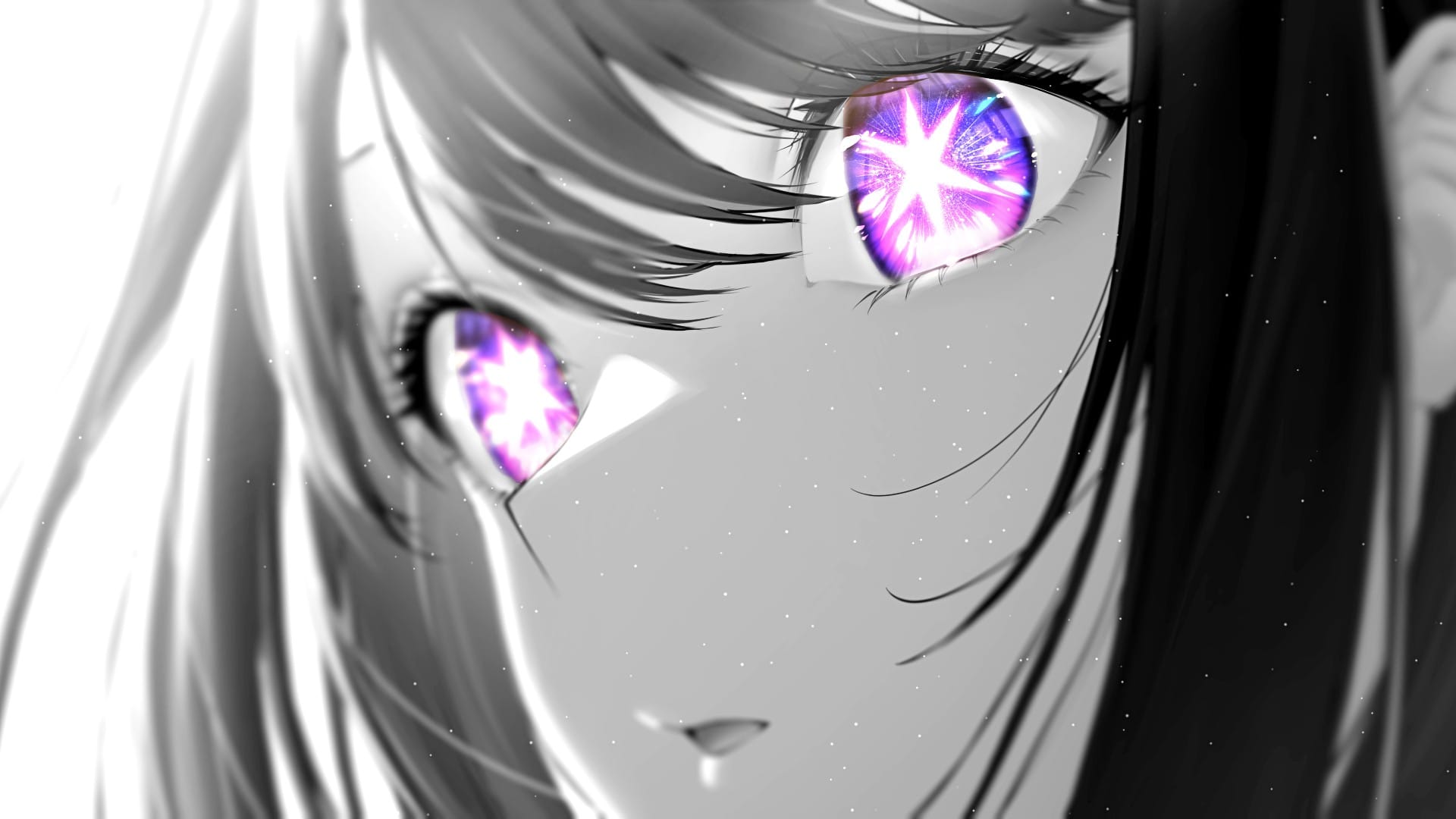
Their (subjectively appealing) stellar artstyle only ended up checking the remaining boxes for me. The evolving portrayals of Ruby Hoshino and Aqua Hoshino, both in their childish moments and precocious dealings, played a major part in establishing them as the bonafide protagonists of the anime series. From the (rather overused) cherry blossoms of the countryside to the (gloomily overcast) concrete jungle of Tokyo, Doga Kobo pulled no punches in ensuring that I moved into their narrative world the moment I pressed the play button. The (restrictively exceptional) environmental storytelling had social media, small talks, crowd discussions, and inner monologues - and honestly, I could not ask for more.
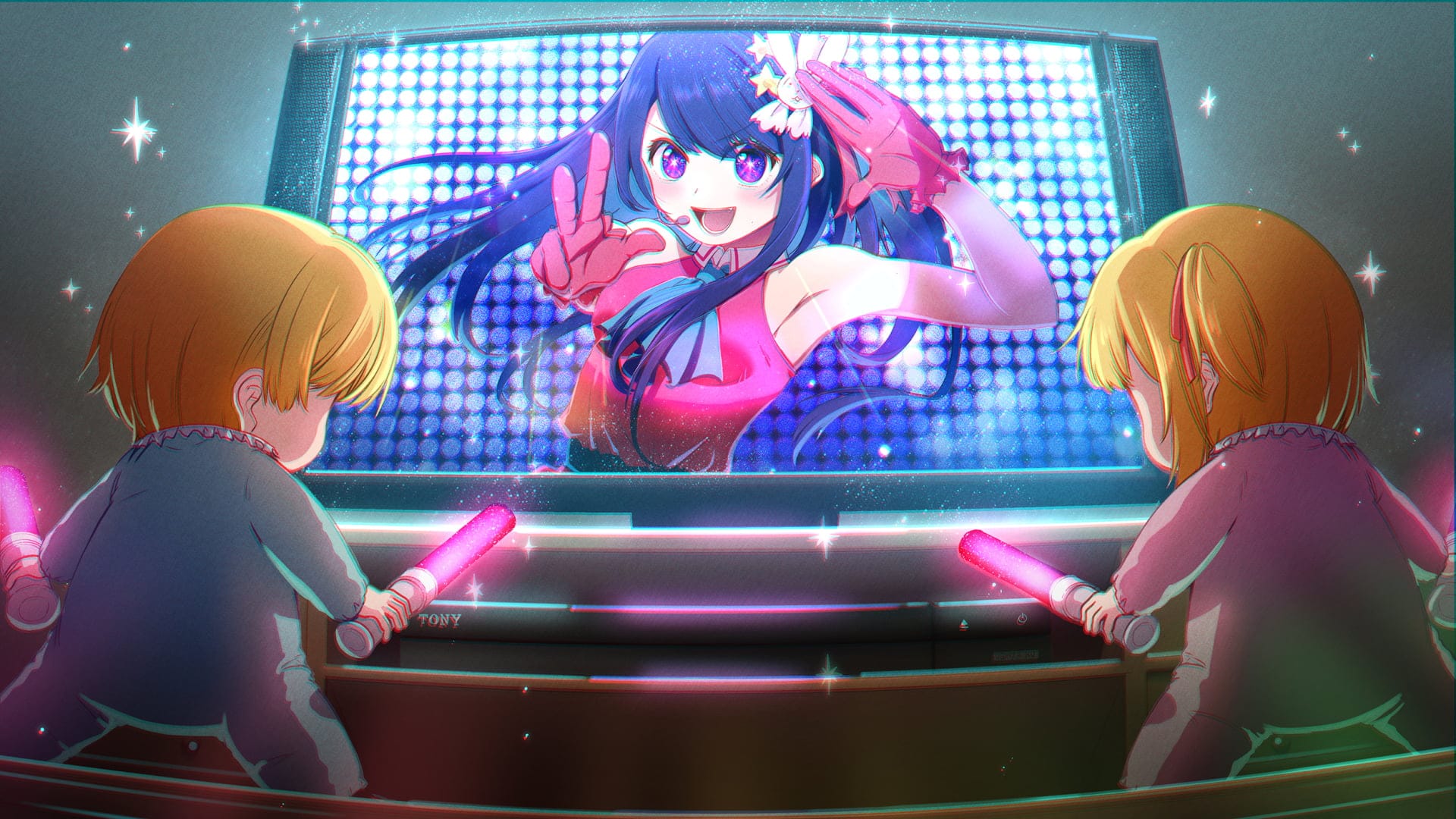
An Indigo flight changing altitudes is perhaps the worst place to get emotionally shaken, given how you would not want to have a huge lump in your throat all while struggling with blocked ears. If you are a chronic crier, do not watch the pilot episode in public unless you like getting emotionally overwhelmed amidst strangers. Trust me when I say this - the amazing narrative found multiple ways to pull me in by the heartstrings, and even I found my tears welling up in a couple of scenes. I felt weirdly familiar with and equally alienated by the mysterious actions of Ryousuke Sugano, which left me with more questions than answers. If that is what the pilot episode set out to achieve, they sure as heck succeeded.
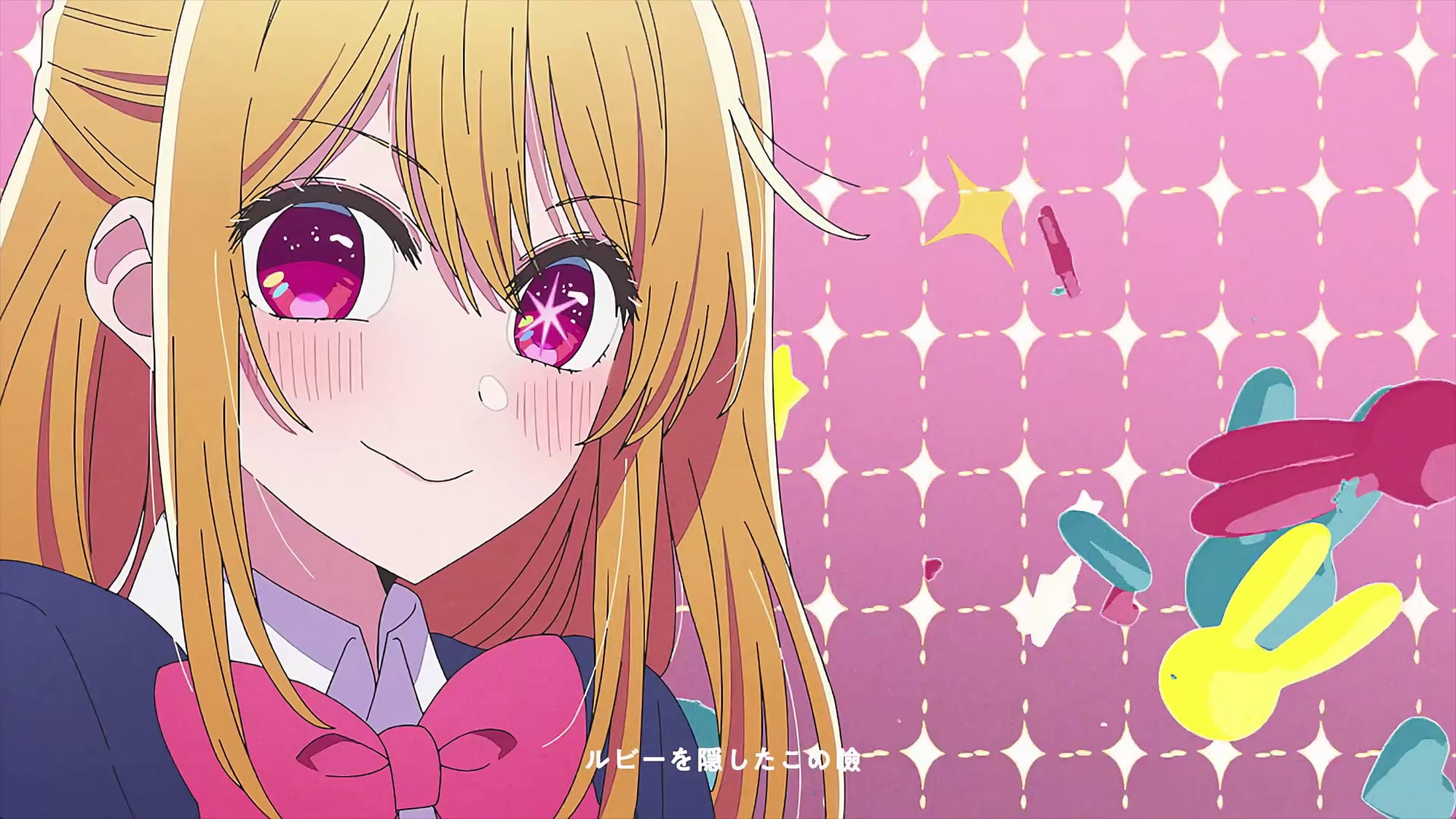
For a Comic Con hobbyist pilgrim making a prodigal return to anime media, there could not have been a better welcome for me. With the pilot episode covering the first couple of decades of (painstakingly detailed) storytelling progression in its narrative world, Oshi No Ko (2023) has a reliable foundation to build its story forward. It really did not make a difference to me that the series themes of show business and divine reincarnation are at odds with each other. I honestly did not care that the pilot episode had been spoiled for me about three years back, or that the anime series did not have an (absolutely logical) match with the Seinen demographic. All I wanted was the fun factor and I have had my fair share.
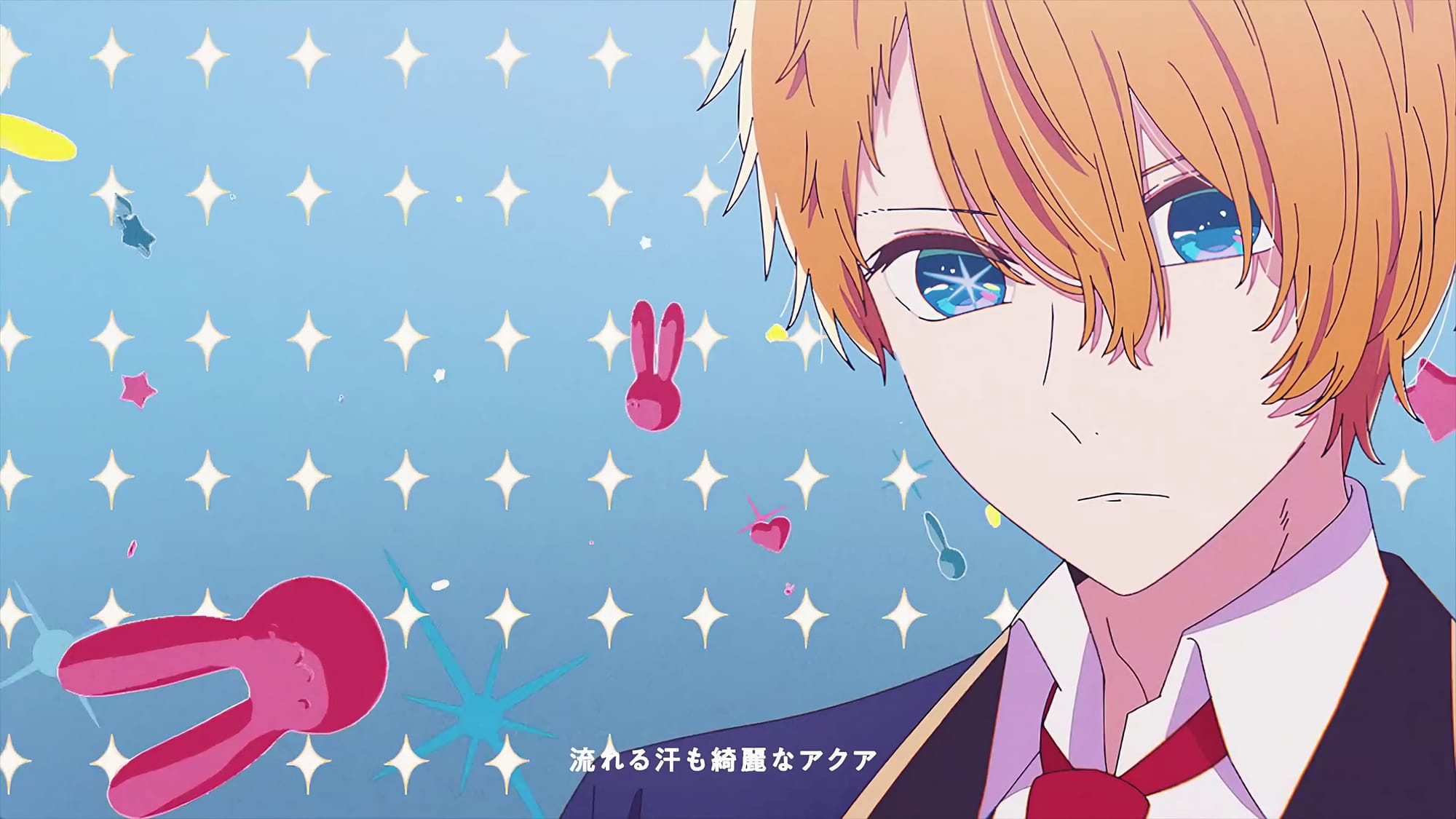
The more I write about Oshi No Ko (2023)'s pilot episode - I am feeling like - the further I stray from writing a review and the closer I come to giving a recommendation. But as the (unfortunately shortened) Idol playback drops at the end of the pilot episode, I realized that that is what reviews are supposed to be – a compass that drives you away from poorly made anime media and closer to the good ones. And I do not state this lightly – the pilot episode has (most definitely) been among the best ones. I am already itching to see how the story progresses with Ruby and Aqua at the helm. Maybe I will get to do just that after I finish the Winter season's Festival Playlist in Forza Horizon 6 (2026), and so should you.